Victoria’s Best Surfing
What makes for the best time on the Victoria coast in 2026 is a matter of what you are after; for quality waves you can put your trust in, autumn and winter will do that for you. Between March and October the southern ocean swells are more dependable and with an offshore north-west wind at play you will find clean waves on the exposed shores of Bells Beach, Torquay or the Great Ocean Road. Bells Beach is a famous Surf Coast wave destination.
Then there is summer, the season of choice for the novice surfer thanks to milder weather and some smaller, less intimidating waves at certain beaches. But come the afternoon the sea breeze and the crowds are there, not to mention weaker swell and sandbanks in flux, and things are not as tidy. I have been doing coastal travel work all over Victoria for years, says Beatrice Hollowbrook, and one learns that a pretty forecast icon does not make for the best day of surfing. You want the day where the wind, tide, swell and your own skill set are in agreement.
Making The Most Of Your Surfing Window
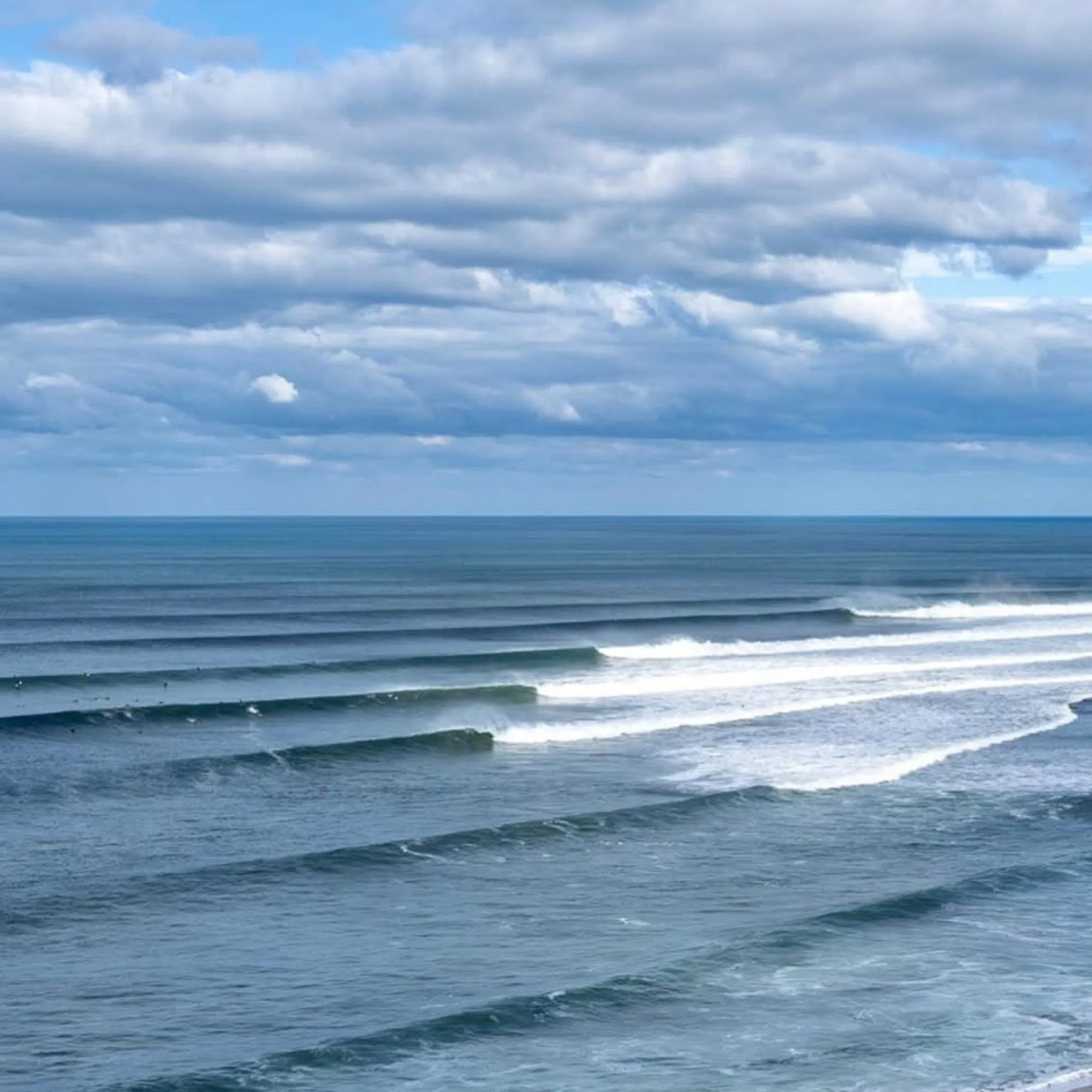
Generally speaking, from autumn into winter is when you want to be on the coast, though spring has its merits too. An experienced surfer will put March to October first for the stronger groundswells; beginners would be better off in the mornings at a sheltered beach in summer or early autumn.
Do not be taken aback by how fast conditions can turn on a coast like this that is open to the Southern Ocean. A quiet morning can be choppy before you have had lunch and a sunny day will feel rough as guts once you are waist-deep in the cold. Make sure to check the local beach conditions, marine warnings and the Victoria surf forecast from home.
Quality Waves By The Month
You will get a good combination of residual warmth from summer and some south-west swell building in March and April. The winter months of May to August are the traditional window for powerful groundswells and those offshore north-west winds. September and October tend to carry on in the same vein if the spring winds hold steady.
At Bells Beach, autumn and winter are preferred times to put in a session as the reef can take the larger swells from the south. It is no place for a first-timer to have a casual paddle-out. The wave energy is serious and the Surf Coast name commands respect, something an overconfident Instagram post should not diminish.
Victoria’s Surf Seasons
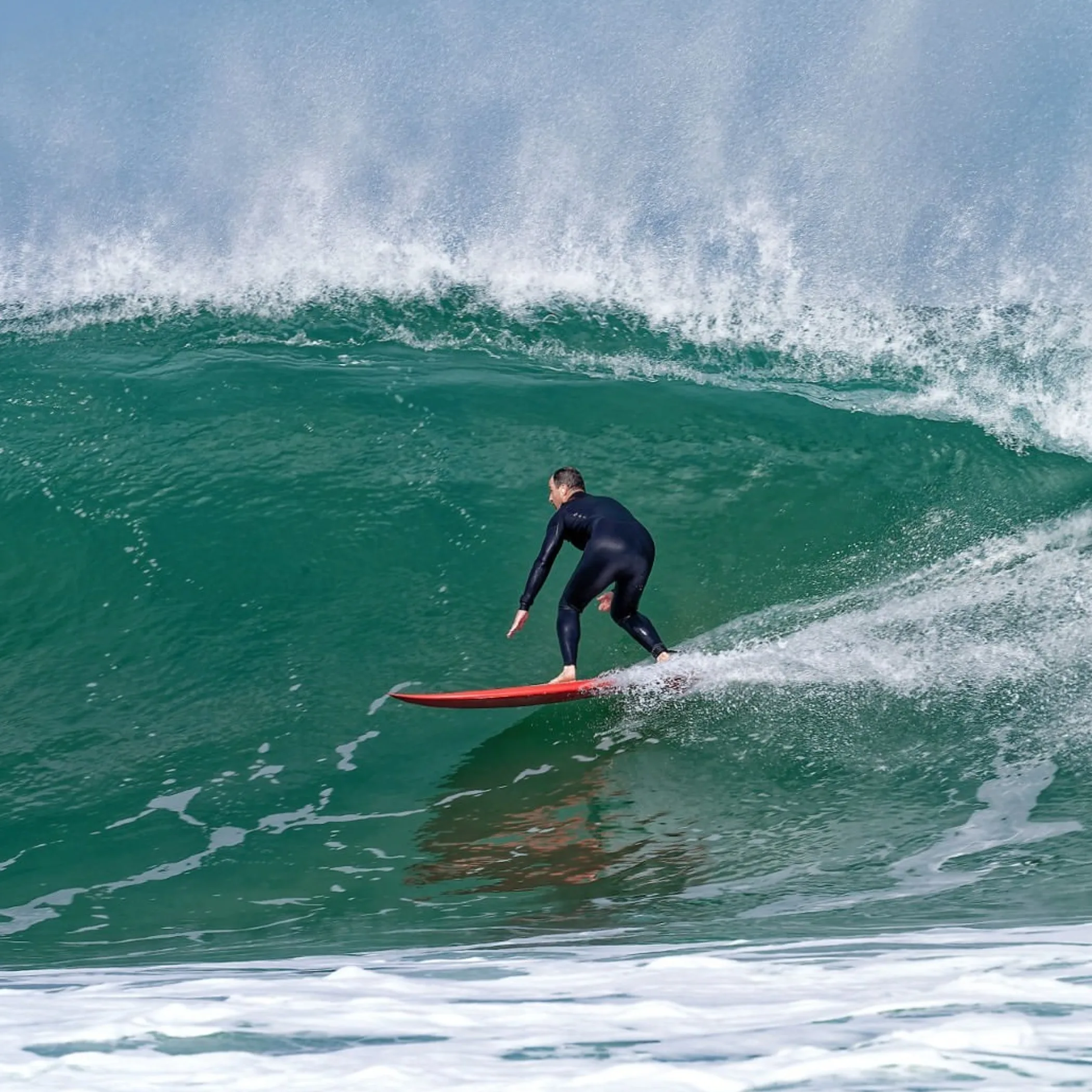
One could say the seasons here are dictated by water temperature, wind and how much swell is coming in rather than any neatness of the calendar. There is a practical side to each, depending on whether you are after an easy lesson, some clean waves or a road trip without the traffic.
| Season | Typical Pattern | For Whom | Things to note |
|---|---|---|---|
| Autumn | Calmer mornings and swell on the increase | Intermediate and road trippers | Wind changes fast, cold water |
| Winter | Frequent groundswells from the southern ocean | Those with experience | Rips, poor weather and power |
| Spring | Variable winds but decent swell | Confident intermediates | Messy faces in the afternoon |
| Summer | Lighter winds and smaller waves | Beginners | Crowds and sandbanks |
The Balance Of Autumn
For a trip to Victoria, autumn has a way of being the most well-rounded season. The roads are not as full as they are in summer and the air is still agreeable while the first of the south-west swell is making its way in. Torquay and the rest of the Surf Coast put out some good options for anyone who wants a change of pace but does not relish the heaviest of winter’s offerings.
People are sometimes fooled by the light; from the car park an autumn morning can seem unassuming but the ocean has a pulse to it already. Put on a wetsuit that will do the job and do not think the water will be kind just because you have had a warm drink at the café. Check the tide.
Experience Pays Off In Winter
If you have no problem with the cold and can handle brisk winds and sizeable sets, a winter in Victoria is for you. The character of the exposed reefs and beaches comes through then, along the Surf Coast and the more open stretches of the Great Ocean Road.
It is also a time when bad judgement is laid bare. Should you be one who is yet to master reading a set or controlling the board in whitewater of any power, stick to a protected beach or take a lesson instead of going after a forecast that looks dramatic. A thick wetsuit is only so much help, it will not make a winter charger of a beginner.
There Are Trade-Offs In Spring And Summer
Spring will give you some fine surf, provided you are up and about in the day before the sea breezes of the afternoon set in. For the intermediate surfer in search of a swell that is regular but without the hordes one finds in peak season, shoulder time has its uses.
New to the sport? Then summer is the way to go, in particular at Torquay and the like where lessons are on offer. One puts up with the fact that a favourite beach will be as full as a sardine tin and waves can go flat between swells. Get there in good time and be sensible about the bank; do not let the sun fool you into thinking the surf is any good.
Stronger Victoria Surf Spots
Victoria’s finest spots are to be found on a number of coastlines with varying degrees of difficulty and exposure. While the Surf Coast is the first port of call, some forethought will be repaid by the Mornington Peninsula, Phillip Island, Wilsons Promontory or out west.
An experienced surfer will make his choice of venue on the conditions of the day, not from a set list. A name on the map is no substitute for an eye on the tide and current and some local insight.
Surf Coast And Great Ocean Road
Torquay makes for a convenient base on the Surf Coast with its cafés, board shops and proximity to a few beaches. Bells Beach is the star of the show but not necessarily what you want every day; the wind and tide may make a break or reef nearby more to your liking.
Do not think of the Great Ocean Road as a quick way to get from one surf to another. Factor in traffic and the odd stop, and the chance of finding your intended beach is a write-off. The forest roads of Great Otway National Park are apt to put in an appearance with wet-weather delays so have a flexible plan for the return.
Mornington Peninsula
Melbourne surfers will find the Mornington Peninsula affords a good selection for a day trip. Sorrento, Flinders or Point Leo will accommodate a host of wind and swell permutations if the forecast is right.
Public transport will not put you at the door of every break so driving is the order of the day. Be early at the better beaches and put away any valuables or boards; a car park is where common sense tends to lie down on a beautiful coastline.
Phillip Island And Beyond
There is quality to be had on Phillip Island but it is an exposed place and requires you to check the conditions. It is not shark infested but then no beach in Victoria should be assumed free of wildlife. Heed the signs and any warning from the authorities and do not surf solo.
As for Wilsons Promontory and Squeaky Beach, they are more of a scenic proposition than a sure thing for a surf session; weather and access can rule out some of these places and they are not for the novice. Port Fairy is fine for a western Victorian excursion but the miles from Melbourne preclude a hurried return.
Beginner-Friendly Beaches
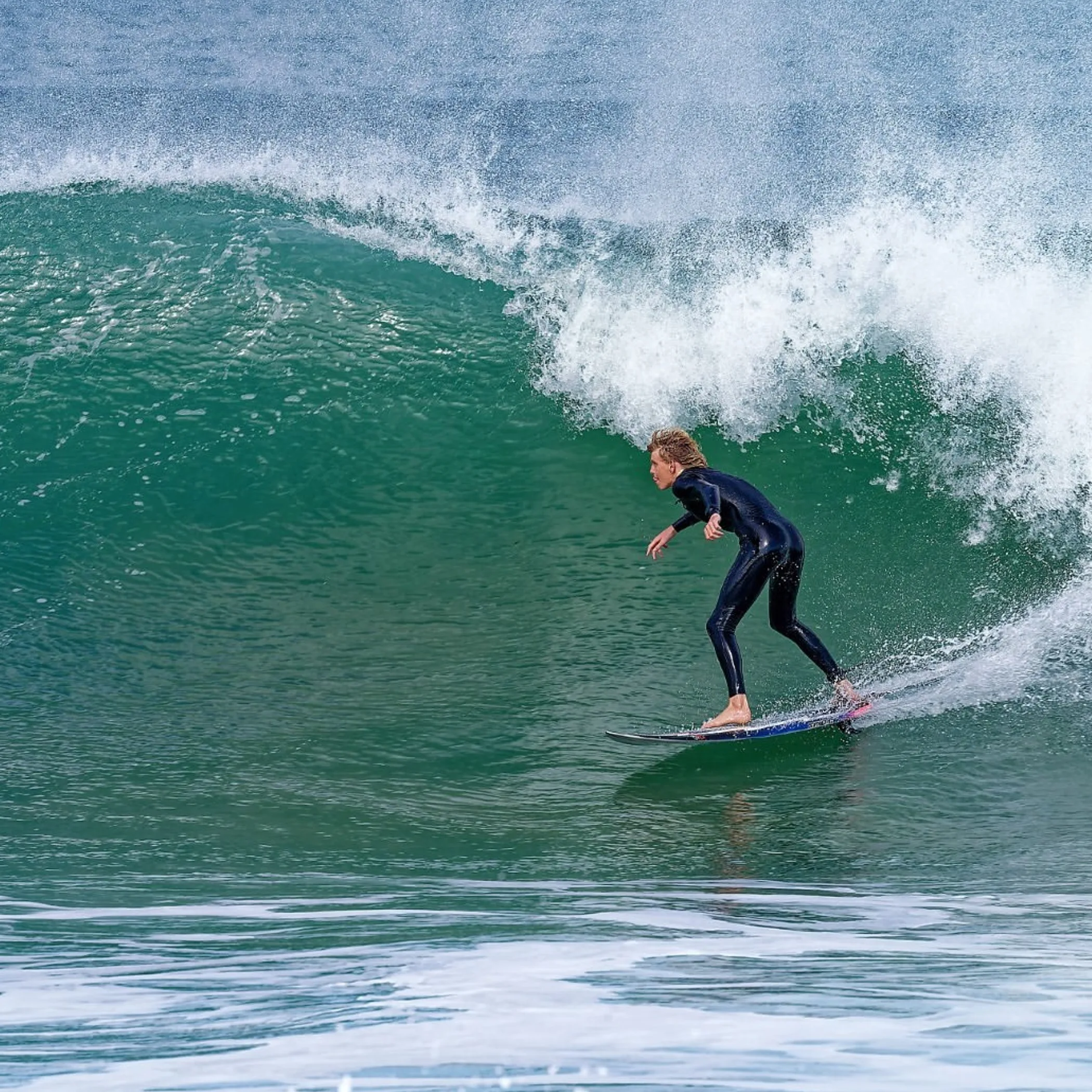
You will find the best of them in Victoria are sandy and patrolled, with the backing of a surf school. A beginner is after some whitewater he can handle and space to learn to stand, and an easy way out of the water, not whatever the biggest wave on the forecast happens to be.
Organising hire and lessons is straightforward in Torquay. Be upfront with a qualified instructor as to how you swim; he would sooner alter his plans than have a greenhorn pulled down the beach by a foam board of his own making.
A Beginner’s Priorities
Light winds, an even sandbar and a clear way back to shore are what to look for. Steer clear of rocky reefs and a heavy shorebreak and do not put yourself in the water unless you can spot the rip. Summer mornings present the easiest start but things can turn. If the beach is too much, reschedule; a lesson does not have to go ahead just because it was put in the diary some weeks back.
Expectation and Reality
The expectation is to put in a few clean waves in the summer and pose for something heroic on the beach. The reality of a first outing is likely to be a lot of falling in and of it, some seawater and the realisation that a wetsuit makes paddling hard work. Nothing unusual. What is useful is to come away with some board awareness and know how to fall and re-enter the water in a controlled manner. A lesser known beach will serve a beginner better than a well publicised reef.
Pack For Cold Coastal Sessions

Even under a clear sky, the water in Victoria has a way of being cold; for any surfer not visiting on the height of summer, a good wetsuit is a must. How thick it needs to be is a matter of season, location and personal tolerance, so put aside a generic packing list and take advice from an instructor or one of the hire shops in the area.
When you pack, think of the entire session and not merely the trip out to the beach. The wind chill and the prospect of a long wait between sets in damp changing rooms can turn the journey back into something of a chore.
- In addition to your wetsuit, surfboard and leash, have with you
- Warm layers, a towel and something dry to put on
- Sunscreen, some water and snacks, a first-aid kit of sorts
- Means of protecting your phone, emergency numbers and directions that do not require a signal
- Sturdy footwear or thongs for getting over any rocks
You will find board hire and lessons in the more established surf haunts though they may be in short supply at busy times. As for where to stay, there is a marked difference in accommodation costs from Melbourne and Torquay to the Great Ocean Road and its smaller towns. Make sure of the going rate before you go and put aside funds for fuel, parking, meals and perhaps an unplanned night by the coast should the roads or weather dictate it.
Choosing a Surf Day
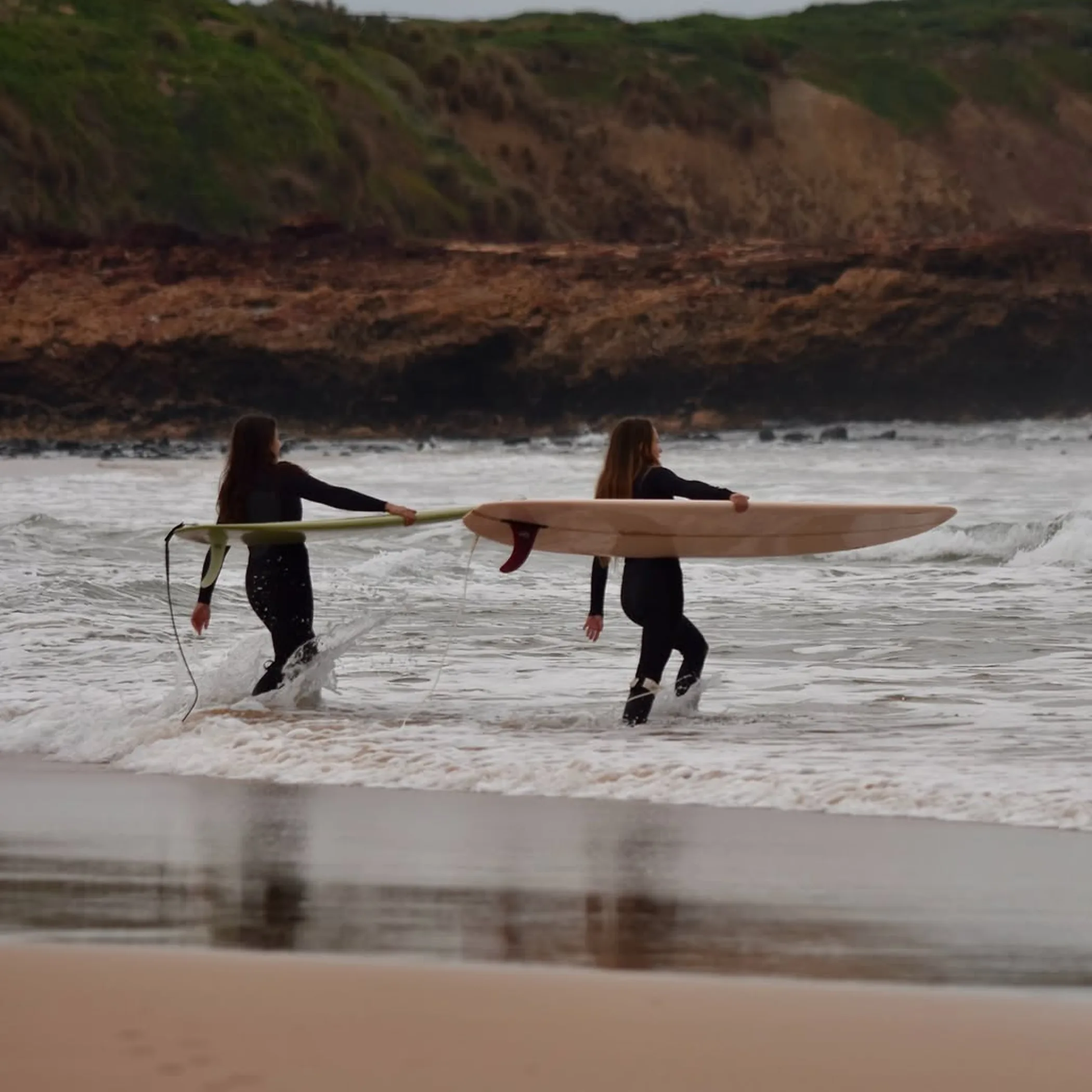
Treat the forecast as a guide, nothing more. Put the swell period and direction, the tide and any warnings alongside the wind strength and then see if what is on paper holds up when you are standing on the beach. A 12-second period will give you more wave energy than a short wind swell and in a more orderly fashion, but it also brings force. That is of less consequence than whether you can deal with it.
A Quick Look at Conditions
The Bureau of Meteorology’s marine forecasts and warnings are where to begin, after which you should make your own observations of the water for ten minutes or so and consult the local beach patrol. Note the foam and where the waves are breaking, if sets come in groups or if anyone is being driven towards a headland or the rocks. An early start is generally safer with lighter winds and fewer people about, but do not put “dawn patrol” on a pedestal. When the banks are a mess and the wind is onshore, staying in bed is sometimes the wisest move of the day.
For a Single Day
- Torquay is the place to be for easy access to the Surf Coast and its services.
- See what the forecast has to say the evening prior and form your own view in the morning.
- A novice would do well to opt for a lesson or a sandy break.
- Leave Bells Beach and the like for when the conditions and your skill set are in agreement.
Those making the drive from Melbourne on a weekend or during the holidays should factor in more time than the map indicates. If the beach does not suit, there is no point in making a bad session of it; the road network is there to let you re-evaluate. You want to be able to get home with your board and your confidence (and eyebrows) in one piece.
Safety in Victorian Waters
On this coast one has to be mindful of rips, tides, sharks, rocks and the vagaries of the weather and cold water. A beach may seem amiable enough but to overlook such things is to invite trouble and a potential rescue. Do not put yourself in unfamiliar waters by yourself or beyond what you can swim and stick to patrolled stretches. When in the whitewater, have a firm grip on your board and make sure to put some distance between yourself and any shallow reef or other surfers.
The Main Risks
A rip will present itself as a channel of darker, more placid water amid the breakers. There is no point in running headlong into a powerful one. Remain composed, put up a signal for assistance and, if it can be done without risk, keep hold of your board. Once you are clear of the worst of the current, go parallel with the beach.
If you are going to be on a reef or at a narrow access point or shallow beach, make a habit of checking the tides. Sharks are to be found in Victorian coastal waters, Phillip Island included; heed any warnings from local authorities and do not surf at dawn or dusk if they say not to. And should conditions get beyond what you can handle, get out of the water.
Surf Questions
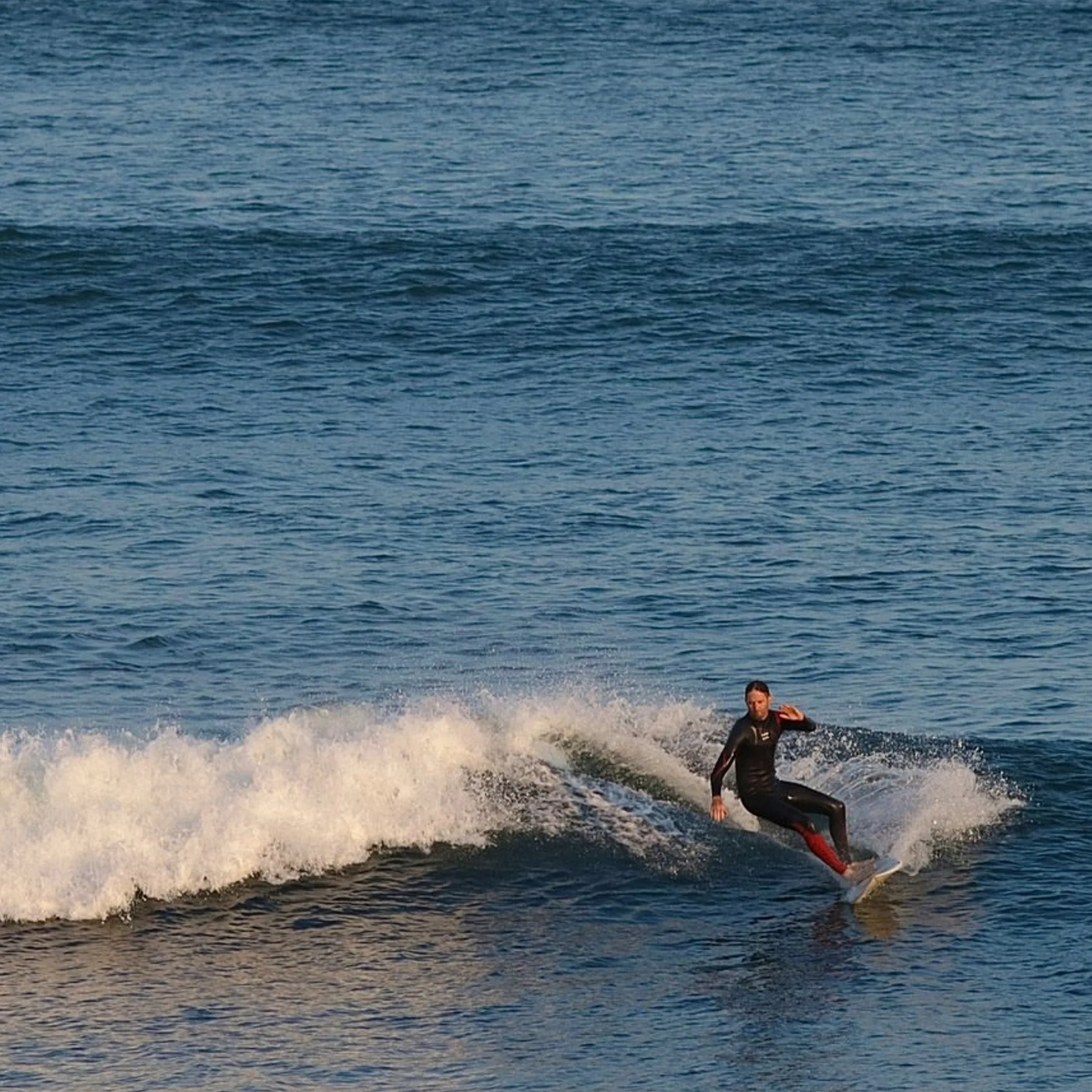
Travellers making plans for a surf trip in Victoria tend to ask the following. The answers below are straightforward but in the end one has to judge by what is in front of them.
What does the 12 second rule mean?
It is less of a hard and fast safety rule than a reference to the swell period. You may see an interval of 12 seconds from crest to crest which points to a well formed swell, though that is not synonymous with good or safe waves. A 12-second swell of any power is not for a novice, on an exposed reef or beach in particular.
Where in Victoria is the best surf?
For consistent quality you will find it on the Surf Coast at Bells Beach and Torquay, autumn to winter being the time. But the Mornington Peninsula, Port Fairy, Wilsons Promontory and Phillip Island can be had when wind, tide and swell are right. “Best” is relative to the day and your own ability.
Are there sharks on Phillip Island?
Being an island does not in itself make Phillip Island any more hazardous, yet sharks are part of these waters. Do as the patrols and signage advise and take official warnings to heart. It is wise to be aware of your surroundings and not surf by yourself; if the advice or the conditions warrant it, leave the water.
Which are the beaches in Victoria for a beginner?
Look to the sandy ones where conditions are manageable and there are instructors about. Torquay makes a convenient place to hire a board and take lessons, but the choice of beach is something for the day. Put off Bells Beach and any shorebreak with power or exposed reefs until you are up to it.
Is summer a good time to surf here?
It is. Newcomers will find the air milder and the early morning waves on the small side. That said, do not expect clean surf as a matter of course. With the afternoon sea breeze and the crowds, there are flat spells to be had; an early start and a look at the forecast is called for.
Making the most of the coast
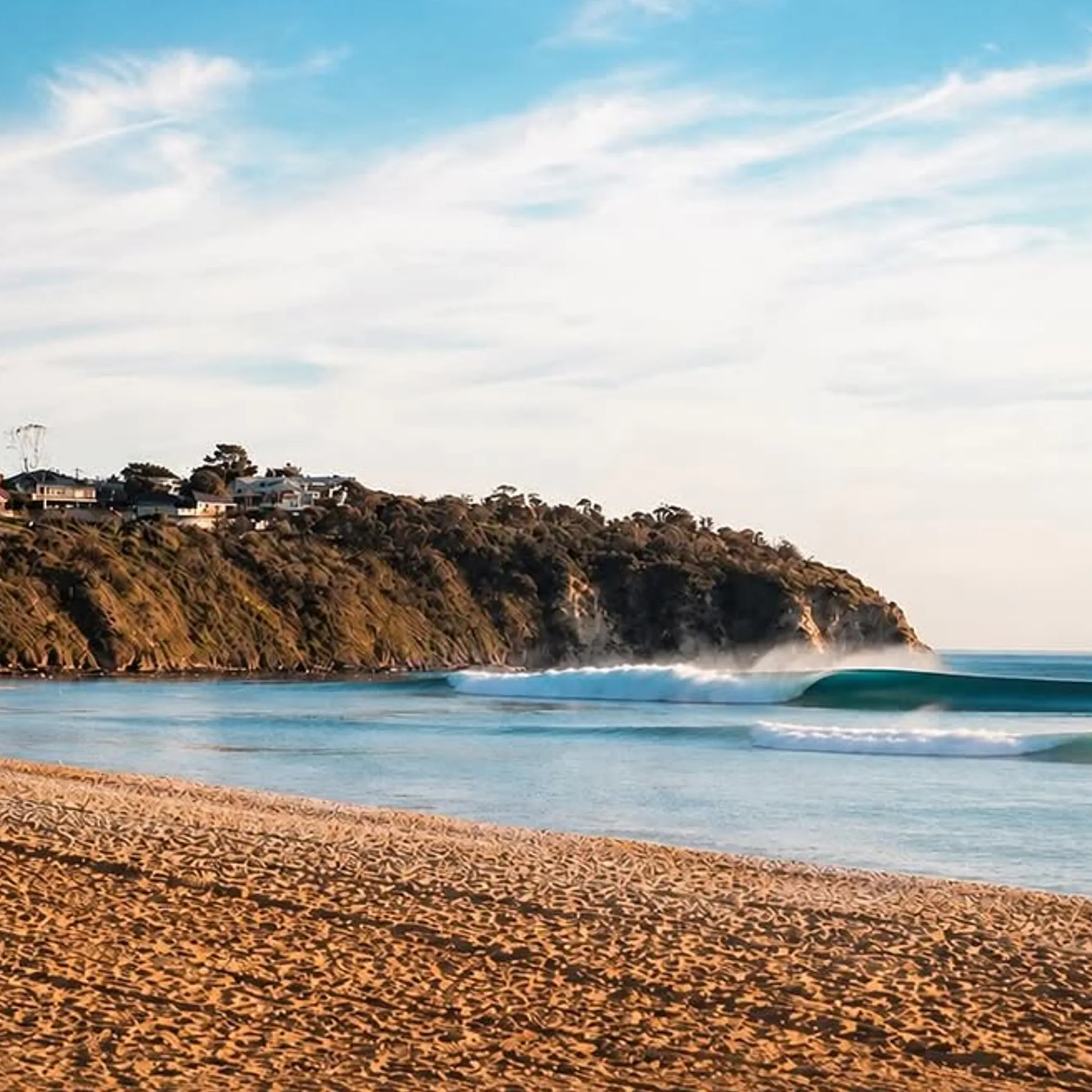
An experienced surfer will want the stronger swells from the southern ocean in the autumn and winter, whereas a beginner is better off with the easier summer mornings. Spring is a happy medium with its variable wind and decent swell.
Do not let a beach’s reputation dictate your plan, let your ability do it. Be flexible with your route and give yourself enough travelling time. Pay your respects to the rips and tides and consult the Victoria surf forecast. Those who are attentive are rewarded in Victoria; the Southern Ocean has no patience for anyone who would treat it as a swimming pool.
