One could say the dry season is the optimum time for a trip to Kakadu in 2026. Between May and October you will find the roads, lookouts and walks are open and the humidity is not so much of an issue. Yet if you put in some time during the early wet you are rewarded with better waterfalls, more verdant scenery and the odd quiet moment; then again, a heavy rain has a way of shutting down facilities and roads without any warning.
Beatrice Hollowbrook here. I have done my share of road trips across Australia and can tell you the “best” season is relative to your intentions. Do not think of Kakadu as a place to put in a quick photo op on the way from Darwin to your next destination. This is a vast expanse of the Top End with its monsoons, stone country and Aboriginal culture all vying for attention. Underestimate your fitness or the demands on your vehicle and what was meant to be a pleasant excursion turns into a rather sweaty exercise in poor planning.
Plan Your Year in Kakadu
It is a matter of aligning the season with what is important to you. First-timers and those not in a 4WD will do well in the dry. If you want to see some drama in the waterfalls and have the road to yourself, the wet is fine. See our Kakadu National Park 4WD guide for more details.
June through August is where most will find the right mix of easy access and decent sightseeing in reasonable temperatures. May and September are good options too, should you wish to avoid the throngs, but make sure to enquire about any closures first.
What You Want to Experience
A self-drive itinerary, a guided tour or a few walks at the cultural sites call for the dry. The roads tend to be reliable enough, though unsealed ones that have seen late-season rain warrant some caution.
Or you can opt for the wet and be prepared to alter course. The bush is a vivid green, the birdlife congregates on the wetlands and the waterfalls put on a show. But there is heat and storms to contend with, and the odd mozzie is not something to overlook in Kakadu, it is de rigueur.
Wet Versus Dry
The two seasons are worlds apart. Logistically the dry is less trouble, the wet is more of an unpredictable beast.
There is no question of one being better than the other; your tolerance for the heat and your walking and accommodation arrangements are of more consequence than what a calendar might suggest.
The Case for the Dry
Daytime is generally more agreeable for sightseeing from around May to October. You will have use of the visitor facilities and the well-travelled roads, subject to maintenance and the like.
For the conventional hire car it is the sensible choice. Heed the signs and check the state of an unsealed road before you go on it; “dry” does not imply a flat track.
June to August sees the crowds, particularly in the school holidays, so be up and about for sunrise or sunset at the lookouts. Expect limited reception once you are out of the developed areas and come armed with water.
In the Wet
Monsoonal rains and the accompanying humidity set in from November to April. A tropical storm is on you in a flash and cyclone alerts are a possibility in northern Australia. Floods can put an end to your route and some places will be off limits for safety.
But you are amply repaid for it. The landscape is as if newly painted and the waterfalls are something else. Of course you might put in the miles only to be met by a closed gate. No misfortune, just the nature of the park.
And do not labour under the impression the rain is constant; it can switch from hot sun to a proper deluge. Leave the excess luggage and pack a waterproof, some insect repellent and shoes you can rely on.
Monthly Weather in Kakadu
Use the table below to put together an itinerary that makes sense. It is a guide to what is typical, not a promise for any given year, so consult the official alerts when your departure is near.
| Period | Typical Conditions | Best For | Main Caution |
|---|---|---|---|
| January–February | The wet season is in full force: expect it to be hot, humid and stormy with the prospect of heavy rain. | Good for those after quiet travel and scenery of the wet season. | Mind the mosquitoes, lightning, any closures and the odd flood. |
| March–April | One can still have wet weather though access will improve as time goes on. | The waterfalls and verdant country are at their best. | Be aware that a road can put on a different face in short order. |
| May | Weather begins to dry out if only in some places. | A fine month for an early dry-season walk or some shoulder-season touring. | Do not assume all roads are in order right after a rain. |
| June–August | More to your comfort for being outdoors, as a rule. | First-time visitors and those intent on cultural sites, wildlife or walking will find it suits them. | You will be up against the peak in visitor numbers and cool mornings. |
| September | The sun is strong and things get drier and hotter. | Ideal for birdwatching, the lookouts and late dry-season jaunts. | On walks there is the risk of fire, heat and not enough water. |
| October | With the coming of storms, conditions are changeable, humid and hot. | A quieter time to make the seasonal transition. | Then again, one has to contend with the heat and storms and whatever changes in access they bring. |
| November–December | Humidity and storms mount as the wet season gets under way. | Fewer people about and the landscape is green. | Tropical weather, intense heat and closures are part of the picture. |
There are six Bininj/Mungguy seasons in Kakadu, not the four Europeans would have you believe. Rain, wind, heat and the flora and fauna do not adhere to a tidy calendar, so a given month can have a different feel to the one before it. We advise checking the Parks Australia Kakadu site for the official word on culture and seasonality prior to your trip.
Find Waterfalls Wildlife Walks
It is the timing of the season that makes all the difference to an attraction. What is a torrent in the wet will be a dry rock face by year’s end, or a more sedate cascade in the dry. Animals are at the mercy of food and temperature; patience is better than speed.
Make allowances in your schedule if you are set on doing some walking. Time for photos, uneven footing, a drink of water and the heat will eat into what the sign says it should take. There is no point in rushing in Kakadu, you will only irritate your knees and put off a wallaby.
Best Months For Waterfalls
You will see the waterfalls at their most impressive during or in the wake of the wet season, but then access is the problem. It may be a long drive and hard walk to something that appears nigh on a map, and some tracks are off limits.
In some years a late April to May window is a good middle ground, with water still running and conditions on the mend, but do not count on it. The park will bar the way if a bridge or track is deemed unsafe due to variable rainfall.
Best Months For Wildlife
For viewing wildlife the dry season is convenient, the animals are to be found where the water is and you can get to more vantage points. Leave the middle of the day alone when most have taken sensible cover from the heat; morning and late afternoon are more rewarding.
Have your binoculars to hand but keep your distance and put the food away from the water. And crocodiles are not an attraction to be tested. Heed the signs and barriers, a quiet waterhole is no place to go swimming without cause.
Best Months For Walking
A longer walk is most manageable between June and August, especially for the unaccustomed to tropical climes. Put on shoes you can rely on for grip, start the day early and take more water than seems necessary.
An experienced walker can make September and October work but the heat is no joke. Take the shade and do not think a lie-in in the late morning is of no consequence; opt for shorter walks.
Plan A 4WD Trip
With a 4WD you can get to more out of the way tracks but Kakadu is not a theme park with its corrugations. Tyre damage, how far you are from recovery, water crossings and the like are all considerations. Local knowledge and some preparation are not made redundant by a high-clearance 4WD.
I have been known to put too much faith in a map over the road when I was first venturing down the longer outback routes. After a rain a route can be as rough as guts and you can be hours over a short stretch putting in the time for the surfaces, the wildlife and the stops.
Access And Driving Realities
The Arnhem Highway from Darwin is how most make their way to Kakadu. Do not regard the drive as a straight dash, put in the time for fuel, a meal and to see some sights. Services are few and far between in the park, Darwin is where you will find them.
Before you head out of your accommodation have a look at the road reports and what is closed. See if your hire vehicle is allowed on unsealed roads and that your insurance is in order for the route; confidence does not make up for a hire agreement that has quietly put certain roads off limits.
You will find parking at the big attractions though shade and space is in short supply at times. At more remote places it is basic. Lock up, do not leave anything of value in the car or food out in camp.
Who Should Book A Tour
For the traveller in search of cultural context and local insight without having to make his own way or choose a vehicle, a 4WD tour with a guide is the way to go. One could not ask for anything more sensible if off-road experience is in short supply, the itinerary is brief or there is no inclination to be surveying road conditions come morning.
Then there is the self-drive option for those who are confident in their planning, know what remote travel entails and can put up with the heat and an alteration of route. While “Kakadu National Park 4WD guide” is a handy term when weighing up the different tours, do your due diligence on the operator, what is included, the vehicle and any cancellation terms.
Prepare For A Safer Visit
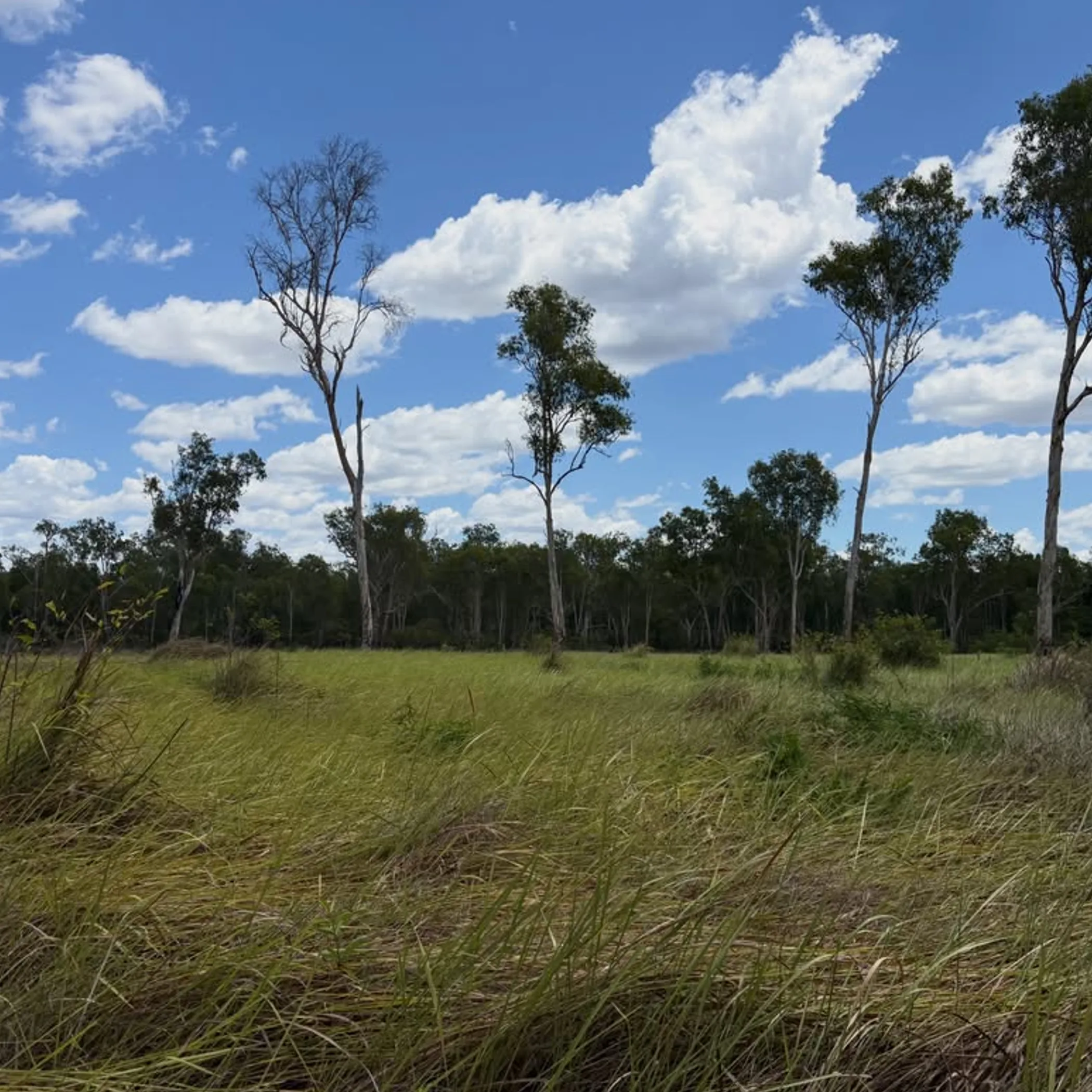
Spontaneity has its place but Kakadu is better served by preparation. You will find mobile reception wanting at times, distances can be misleading and the weather has a way of scuppering plans in a hurry. Make it known where you are headed, have plenty of water and regard a closure sign as information to be heeded, not some kind of personal test.
Aboriginal sites and the rules governing them deserve respect from all visitors. There are places that are closed for cultural reasons or where permission is needed; do not go climbing on restricted ground, take things or put camera to people and ceremonies unless you have been given leave to do so.
Practical Packing Checklist
- Take a good pair of boots, something for the rain, insect repellent and sun protection along with first-aid kit, reusable water bottles and a map that does not need a signal. Put in enough food for any delays.
- As for the vehicle, see that there is a spare tyre, a pressure gauge, recovery gear and a fuel plan in place, plus drinking water for the unforeseen.
- Have on hand your accommodation details, emergency numbers and NT Parks Pass or whatever access you may require.
Costs for food will vary according to whether you are buying in, self-catering or camping. With fuel being the principal variable on a self-drive, work out the litres per 100 kilometres at today’s pump price and factor in any detours. As for park passes, tour fees and the like, look to official or operator figures before you pay, an old blog post is not to be trusted.
Choose Your One-Day Plan
With only the one day, put your efforts into the cultural and landscape features you can get to safely and in time. Do not be under the illusion that you can fit in all the big sites in a single loop, Kakadu is too big for such optimism.
Get an early start to beat the heat and pick a walking or viewing experience to focus on, then allow yourself time to drive back. In the wet season your plan should be supple enough to swap a closed attraction for a visitor centre or a walk of shorter duration.
Expectation Versus Reality
Expectation: You may expect to find every well-known spot open on account of a guidebook. Reality: The reality is that seasonal closures are in place for the good of the roads, wildlife and culturally important areas.
Expectation: A 4WD is no guarantee of entry. Reality: Tracks can be shut to all comers on account of fire, flooding or a decision made by the park.
Expectation: Wildlife will present itself at your behest. Reality: Be patient and observe quietly for the best of it.
Expectation: The wet season is just the dry with a bit of rain thrown in. Reality: It affects your daily planning, swimming safety and the humidity and insects.
Frequently Asked Questions
Is May A Good Time To Visit Kakadu?
It is a fine shoulder-season month, particularly as things dry out and there are not as many about as in the middle of the dry season. That said, check for any updates on the roads and attractions as some parts can still be feeling the effects of the wet.
Can I Visit Kakadu During The Wet Season?
Provided you are flexible. You will have to contend with the heat, storms, mosquitoes and the odd closure. It is a good time for those who would rather have the waterfalls and greenery than tick off a sightseeing list.
Do I Need A 4WD For Kakadu?
Not for everything. A conventional car will do for most major attractions so long as the roads are open, though you will want a 4WD for the more remote tracks. Verify road and vehicle restrictions prior to leaving.
Are Kakadu Waterholes Safe For Swimming?
Only where the park has marked them as such. Do not be lulled by the fact you cannot see a crocodile. After a rain in particular the risks and conditions can be different.
How Many Days Should I Spend In Kakadu?
A day will give you a taste of what is accessible, but three to five is a more sensible proposition for a mix of wetlands, cultural sites and walks. The longer you stay the less you have to put pressure on yourself to cover the whole park in a day.
Make The Season Work
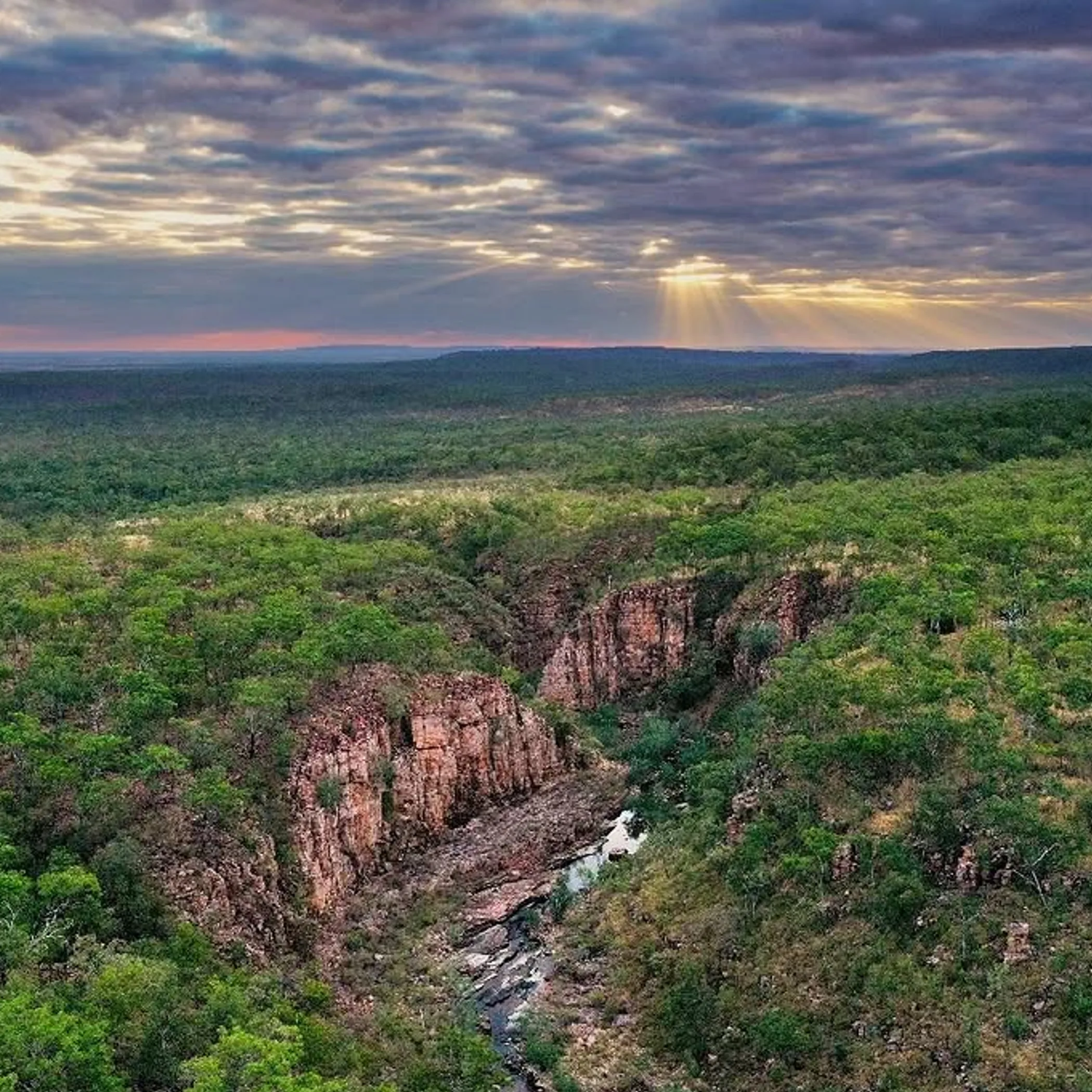
If this is a first visit and you want it to be straightforward, book your accommodation and sort out vehicle and park details for the June to August period. For the scenery of the wet season and waterfalls, late April or May will do, if you can live with the fact your plans might have to be altered.
The answer is plain: go when the conditions in Kakadu are right for your trip, not because a calendar says they should be. Be croc-wise, have your water and let the Top End have its surprises, you will have the better story for it.
