One should not be surprised by regional differences in leaf fall and what is required of a gutter; in Australia conditions can be a world apart between postcodes. Whether it is a Melbourne street thick with leaves, a Brisbane suburb in the humidity or a Pilbara home at the mercy of the wind, the regimen for cleaning, downpipe inspection and guards will differ accordingly.
I am Beatrice Hollowbrook. From my experience gutters have a way of failing when it suits them. More often than not you will spot water running over the roof in a storm before you notice a damp patch on the ceiling that does not seem right. There is no need to overcomplicate it: keep your maintenance in step with the local weather, the species of trees around you and the kind of detritus they put on your roof.
How Climate And Trees Affect Leaf Fall

Autumn is not the only time for leaf fall in this country. You will see deciduous trees put on a good show in the cold months but evergreens are at it all year round with their twigs, bark and branches. Add to that the wet season or a hard wind and an unassuming gutter can become a compost bin. Follow a seasonal gutter care schedule to stay ahead of the buildup.
The climate has a bearing on how fast debris becomes an issue. Where there is plenty of rain it will be driven into the downpipes, in arid country fine matter makes its way to the corners and under the roof valleys. And do not be fooled by a harmless looking leaf if it is coming from a dense canopy.
Deciduous Versus Evergreen
With elms, oaks, maples and fruit trees a concentrated burst of leaves can blanket a roof in a matter of weeks, particularly if strong winds come after a dry spell. It is prudent to have a clean done prior to the heaviest rains.
Evergreens are more of a persistent nuisance than anything dramatic. Eucalyptus and other evergreens will drop their needles and seed pods and some put out foliage with a high oil content or sap that has a habit of adhering to metal and holding onto fine debris. The gutter might appear to be half full but the entrance to the downpipe could be well and truly restricted.
Consult Your Local Climate Map
Australia is best thought of as a maintenance map, not a single rule book. The south has its marked autumn cleaning, whereas in subtropical parts like Brisbane one has to contend with both summer deluges and a constant supply of leaves. Tropical downpours in the Top End and northern WA put a strain on the rainwater heads and gutters in short order. These seasonal patterns, including the monsoon’s active phase causing storms, affect gutter maintenance needs across regions as detailed by climate influences.
Inland you have the dust and grass seeds the wind will bring in from afar. In bushfire country gutters are apt to pick up combustible material in the summer months. Before any work is put on the roof the Bureau of Meteorology has the information on seasonal conditions and rainfall to hand.
What Debris Poses A Risk

A broad dry leaf will be washed or blown through but a mat of wet leaves can make a heavy plug of the outlet. Some guards let fine stuff through where it is more of a chore to get out. The issue is not so much the number of trees in the vicinity as what they are putting down and the effect of moisture on it.
Wet Leaves And Fine Debris
Wet deciduous leaves have a tendency to stick together in a dense layer while finer things like husks and decomposed matter will find a home underneath. This can lead to staining, corrosion or odours as it holds the damp to the surface of the gutter.
Then there is the case of a cottage I was at where the owner had seen to the edge of the gutter but left the rainwater heads alone. To look at from below the roof was in order yet the downpipe was clogged with a solid mass of grit and leaf fragments. A ten minute job becomes an affair with ladder and hose on account of such an oversight.
Sap, Needles And The Like
Needles from evergreens will make their way to the mesh and into the valleys. Under pines or wattles the sap adds to the problem. Palm fronds are something else again; the fibres and large pieces of frond and seed will obstruct a downpipe in no time. A palm in close proximity to the roof demands a closer eye than an ornamental piece set back a few metres. Severe weather in cyclone country leaves behind broken fronds and branches that are as much a roof and safety concern as any other.
Timing is of the essence in temperate parts of Australia
In Victoria, Tasmania, the south of New South Wales and the cooler reaches of South Australia there is a distinct seasonality to maintenance, with work best done at the onset of heavier winter or spring rain or during the principal leaf-drop. Yet one must not be misled by the general climate of a suburb; local streets can be quite different. A residence on an open block will have a routine all its own compared to a property next to old deciduous trees. The same goes for the tree line, the way the valley and downpipes are laid out and the pitch of the roof.
Make a plan for the autumn drop
When it comes to the heavy shedding of deciduous trees, gutters should be looked at before the main event, then again while the leaves are falling and once they have all come to rest. To preclude overflowing gutters and blocked outlets from persistent rain, put in a good clean. Evergreens are another matter and require more frequent if less onerous attention. One might do a quarterly inspection on a moderately exposed home, but under a thick canopy monthly is advisable in windy times. These are guidelines to go by, not hard and fast rules.
Be wary of frost and a wet roof
The combination of a cool morning, frost and slick roof surfaces is an invitation to slip. It is better to call in a plumber or a professional gutter cleaner than for a homeowner to put himself in harm’s way on a steep or otherwise difficult roof because the gutter is full.
Should a contractor be engaged, factor in time for the weather and the clean-up. What is a two hour job on a single storey can run much longer on a two-storey with awkward roofing. Make sure the quote covers debris disposal and flushing of the downpipes.
Tropical areas are under sudden pressure
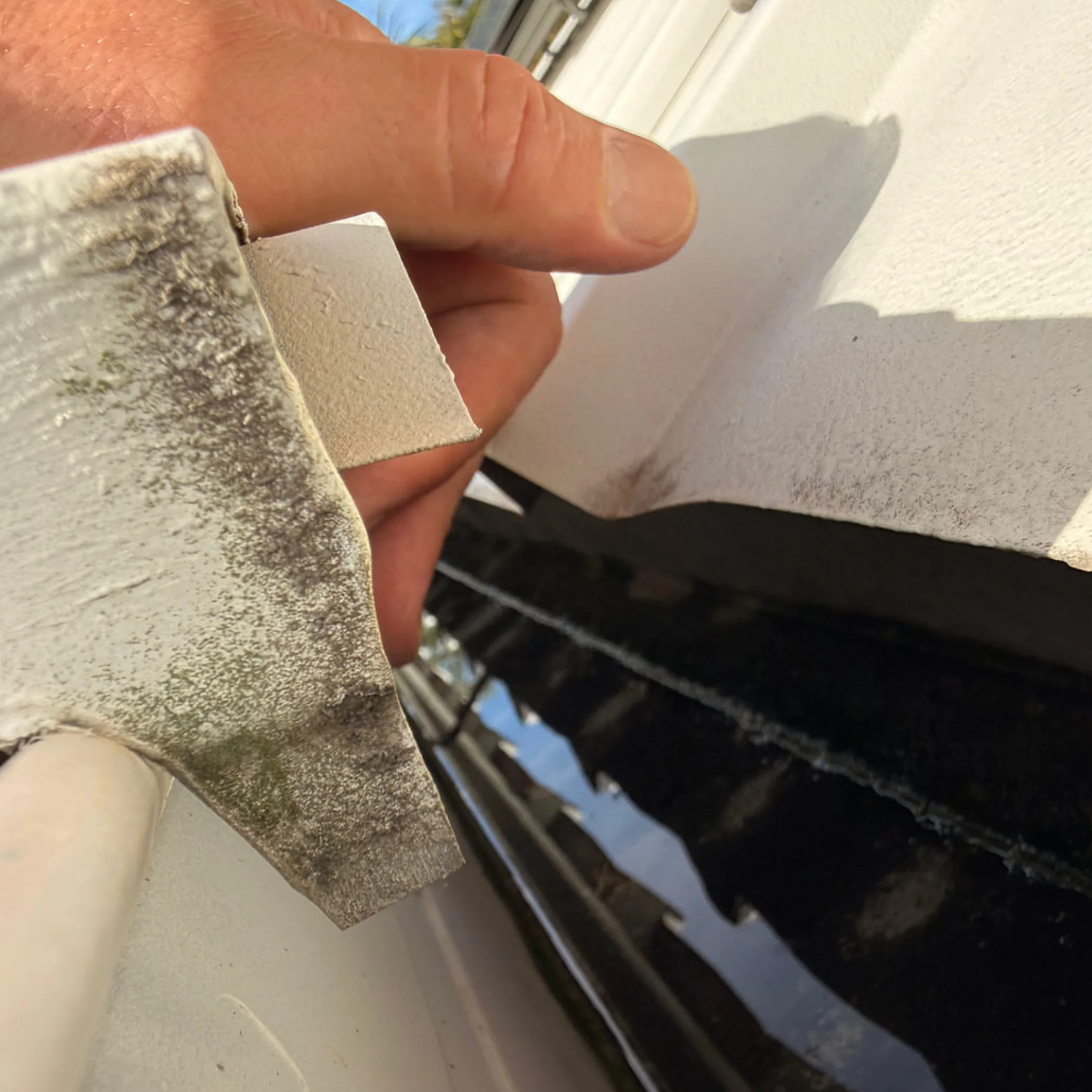
There is no annual leaf-drop to contend with in the tropics, rather one has to be ready for the deluge. In Brisbane, the Top End, northern WA and along the Queensland coast you have dense vegetation and high humidity to add to the tropical downpours and storm bursts. A partially obstructed gutter here can be over in a matter of minutes; the stormwater has to get into the downpipes and drainage system expeditiously. An uninvited mozzie in a neglected gutter is one thing, the cost of a blocked downpipe in a downpour is another.
Get ahead of the wet season
A controlled flow of water will tell you if the downpipes are in order. Clear the rainwater heads and leaf litter and make certain the outlets are secure and discharging clear of foundations. Cyclone alerts in the north are common in the warmer months and strong winds will put down palm fronds and large pieces of branch in short order. Under threatening conditions one does not go on the roof. After a storm, a ground level inspection is in order until the power lines and trees are deemed safe.
The subtropical canopy in Brisbane
Mature vegetation is the norm for many a Brisbane home and with it comes broad leaves, bark, seed pods and other organic matter in varying seasons, not to mention summer storms that put the system to the test. With a dense canopy, an inspection after a major storm and prior to the wet season is called for, then alter the interval as circumstances warrant. If the gutter is filling up week in week out it is more practical to put in the work than to fit a guard that is no match for the kind of debris present.
Defence is required in dry and windy climes
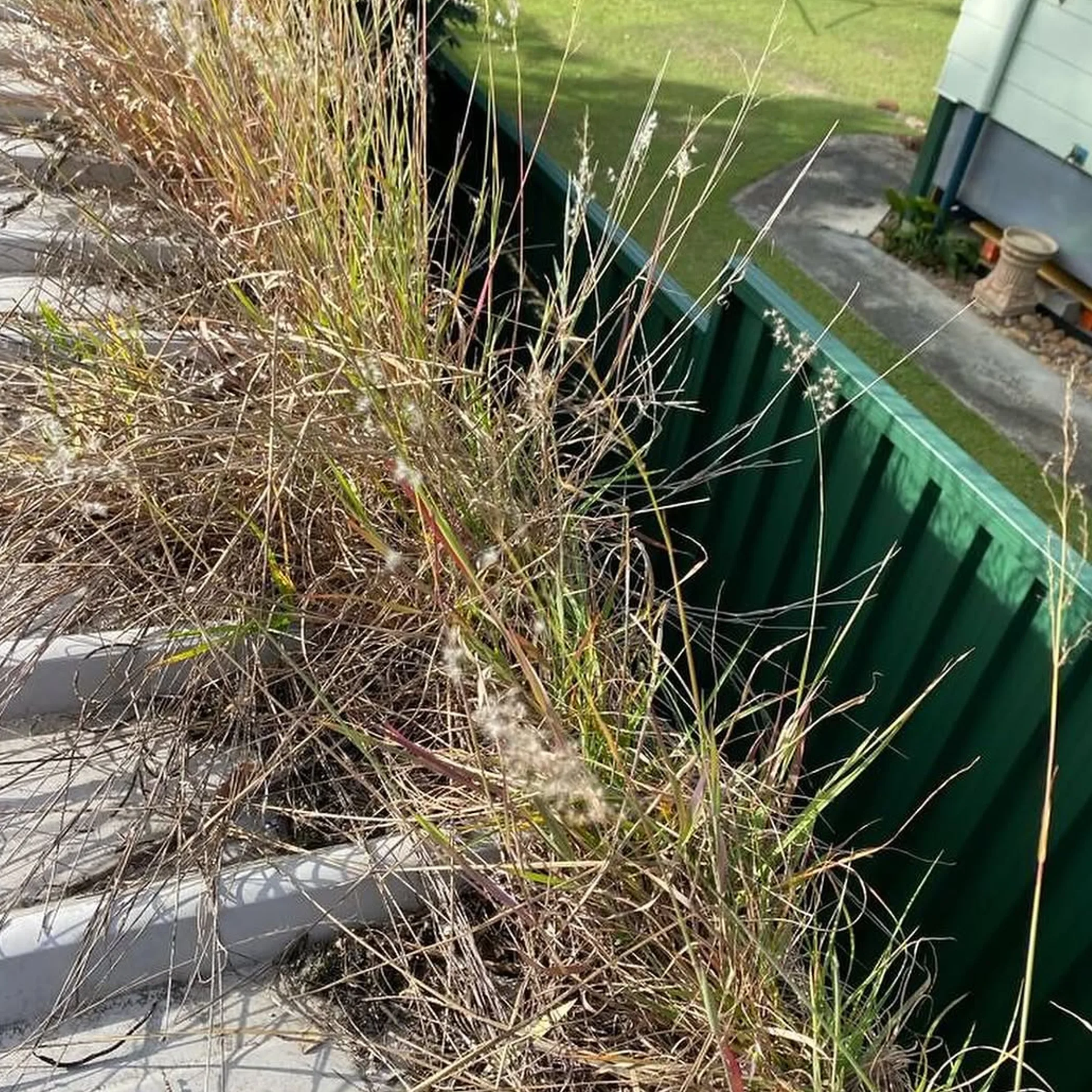
Bushfire risk and aridity change the nature of maintenance. There may be little rain but the debris is there in the form of ash, dust, grass seeds and windblown leaves that can build up for months until a storm sweeps them into the outlets. Gutter care becomes a question of safety when preparing for bushfire; dry organics are fuel around the home. Heed the fire authority in your state or territory and do not put anyone in an unsafe position to clean where the terrain or building dictates.
Keep combustible material at bay
Do not wait for the rain to clear away the fine debris and dry bark from the gutters; see to it in the wake of high winds and before the fire danger is at its peak. Ash will find its way into the rainwater system so give the tanks and leaf diverters some thought. And think twice before using a leaf blower on the roof as to where the detritus will end up; shoving it into the garden beds is merely putting the risk next door. Where you can, bag it up. See that ladders are not on unstable ground or near overhead services.
Expect dust to become sludge
Rain has a way of turning dust in short order, a fact not everyone is prepared for. The finer stuff will mix with leaves and make a kind of paste that you will find under a guard or at the downpipe opening. While guards are good at keeping out the larger pieces of debris, they are no excuse to forgo cleaning.
A Regional Cleaning Routine

How frequently one should clean gutters is not something there is a blanket rule for. Start with some observation as part of a sensible seasonal regimen: put in an eye on the trees, see what the rain has left by way of debris and note how fast the outlets get clogged.
Take this guide for what it is, a practical place to begin. Then you can cut the interval if the roof is in the path of a storm, close to open paddocks or the coast, or under the shade of trees.
| Region / Condition | Typical Debris | A Practical Starting Point | Extra Check |
|---|---|---|---|
| Cool temperate suburbs | Deciduous leaves, twigs, wet leaf mats | On either side of the autumn drop | Make sure to check ahead of winter rain |
| Brisbane and the subtropics | Seed pods, bark, broad leaves and storm debris | In the wake of a big storm and before the wet season | Rainwater heads require frequent inspection |
| Tropical north | Fine organic matter, palm fronds, large leaves and branches | When the wet season is upon you or after severe weather | Do not put yourself in harm’s way to inspect in bad conditions |
| Dry inland | Windblown leaves, ash, grass seeds and dust | After strong winds and prior to high-fire-risk times | See if there is any combustible material building up |
| Under a dense canopy | Needles, sap, small branches and an assortment of leaves | Monthly in windy weather or when the drop is at its peak | Valleys and downpipes should be flushed |
Inspection List
It is well worth doing an inspection from the ground in between the pros’ visits. Be on the lookout for sagging in the gutter, water marks on the wall, stains under the joints, slow discharge or an overflowing corner. Examine the roof line, the valleys and outlets as well as the rainwater heads. See if any downpipes have been disconnected or are blocked. Give the first-flush components, leaf diverters and tanks a once over. Put down the date and the state of the weather and how much debris was present.
- Check the roof line, valleys, gutter outlets and rainwater heads.
- Look for blocked or disconnected downpipes.
- Inspect rainwater tanks, leaf diverters and first-flush components.
- Record the date, weather and amount of debris found.
- Arrange professional access when the roof is steep, high or damaged.
Leave the roof to a professional if it is in poor repair or too steep and high. Should time be of the essence and there is only a day to put things right, then the cosmetic work can wait; deal with the downpipe entrances and blocked outlets first. Water must have somewhere to go. An outlet that is blocked renders the system useless, no matter how spotless the gutter.
Selecting Guards
The type of guard an Australian homeowner puts in ought to be suited to the local debris, not what the salesman says. A mesh might do for a large leaf but fine debris will either go through or lie on top. Solid covers let some material run off but one still has to look at the joins and edge gaps.
Put questions to them about needles, sap, seed pods and how the product stands up to a heavy storm. And who is going to take the sections out and put them back for a clean? An inexpensive guard is a false economy if it makes every inspection a chore.
Match the Guard to the Roof
For those with deciduous trees overhead a system is called for that will manage the broad leaves and be amenable to being cleaned from the surface. With pine needles and the like you have to be particular about maintenance access and mesh size. Where there are many palms the system must not hold back the large fibres of a frond at the water entry.
Do not think of guards as a replacement for looking after your downpipes. A dirty gutter will let water by until a storm comes along and exposes the weakness. After installation check the system, come the first heavy rain, and leave the access points unobstructed.
When To Enlist Help
For the sake of safety, leave the cleaning to a professional if the property is multi-storey or has steep roofs, fragile tiling or power lines in close proximity. The same goes for any suspected storm damage. A thorough clean may be called for in the way of bushfire prep, yet if one cannot get up on the roof with impunity, it is prudent to have someone else do it.
Get a written scope from them that includes gutter and downpipe work, the removal of debris and an account of any defects you can see. Do not expect a national fixed price as costs are dictated by the region, size of the roof, height and how much access there is; such a figure would be disingenuous. You will find a plain quote more to your liking than some cheap offer put forward over the telephone.
Leaf Fall: Questions Homeowners Ask
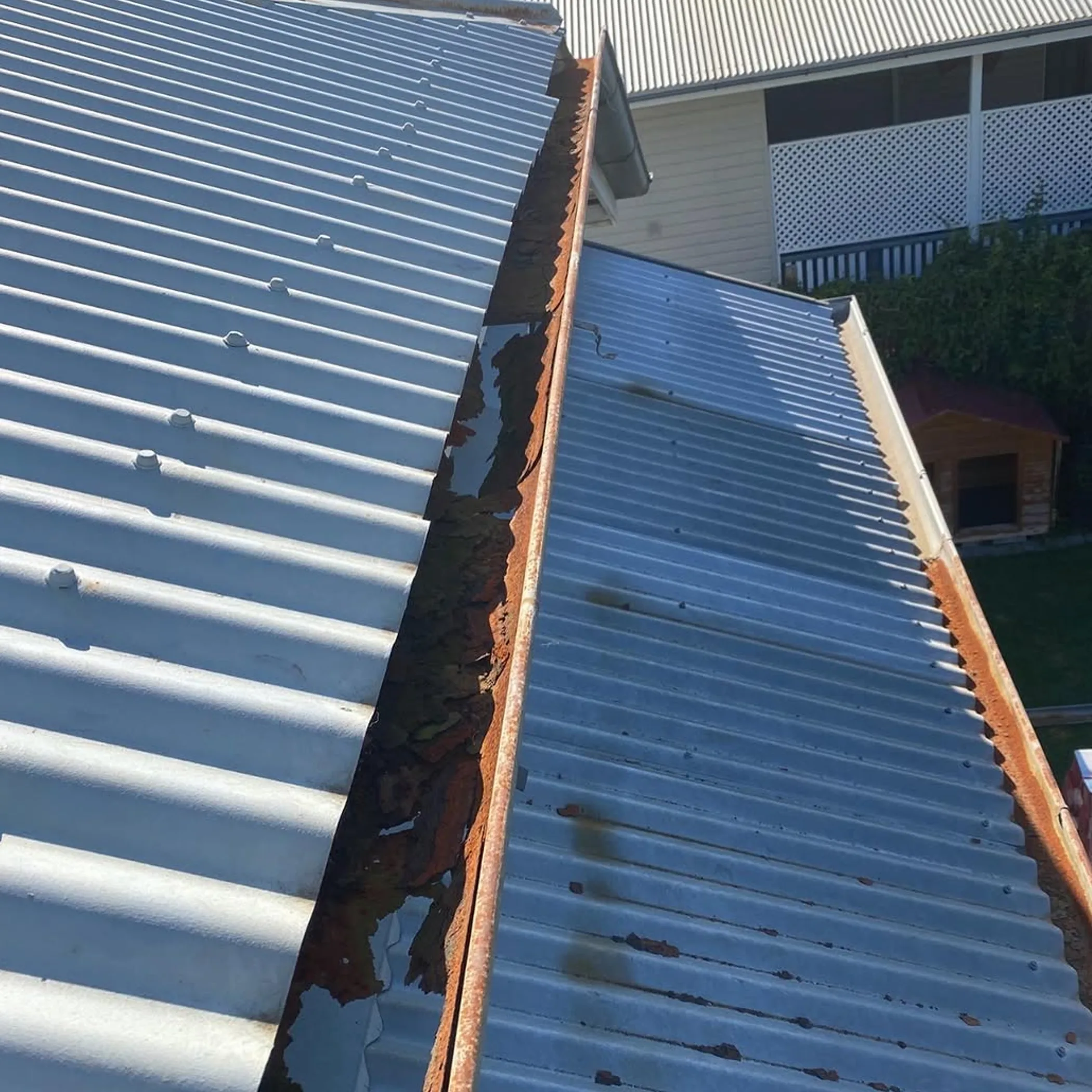
Homeowners will put these questions to you in an effort to make sense of plant biology in the context of their gutters. In brief, leaves are what limit water loss in the plant, but once they are on the roof they become something to deal with.
What kind of adaptations do plants have for dry spells?
To stave off water loss a plant will have waxy surfaces, sunken pores, leaf hairs, a thick cuticle or specialised tissues for storing water. Certain Australian species will shed leaves when it is very dry or angle them to avoid the sun. All well and good for the plant’s survival, but do not think the foliage it drops is going to be of no consequence in a gutter.
Which part of the leaf is responsible for holding in water?
The waxy cuticle of the surface will slow things down. Then there are the stomata, typically on the underside of the leaf, which manage gas exchange and shut down in the heat or when it is dry. Should the cuticle be thick enough the leaves will take their time to decompose and linger in the gutter.
Transpiration and leaf surface area
Under like conditions a leaf with more surface will transpire more and so lose more water. That is why you see smaller or needle-like foliage on plants in arid climes. But put a large leaf in a gutter and it makes for a wide mat to impede the flow of water.
How does a leaf go about preventing water loss?
By means of a rolled shape, a small surface area, hairs, a thick cuticle or not many exposed stomata. Some will drop their foliage or have narrow leaves. Once on the ground this matters: a broad waxy leaf might block an outlet where a needle would slip past a guard.
Are gutter guards the end of cleaning?
Not at all. They will keep some of the bigger pieces out but leaves, sap and fine dust will still make themselves at home on top of them. One has to check the tank filters, rainwater heads, valleys and downpipes. Guards can lessen the chore under certain circumstances but they are no substitute for a maintenance free system.
Make it a local matter
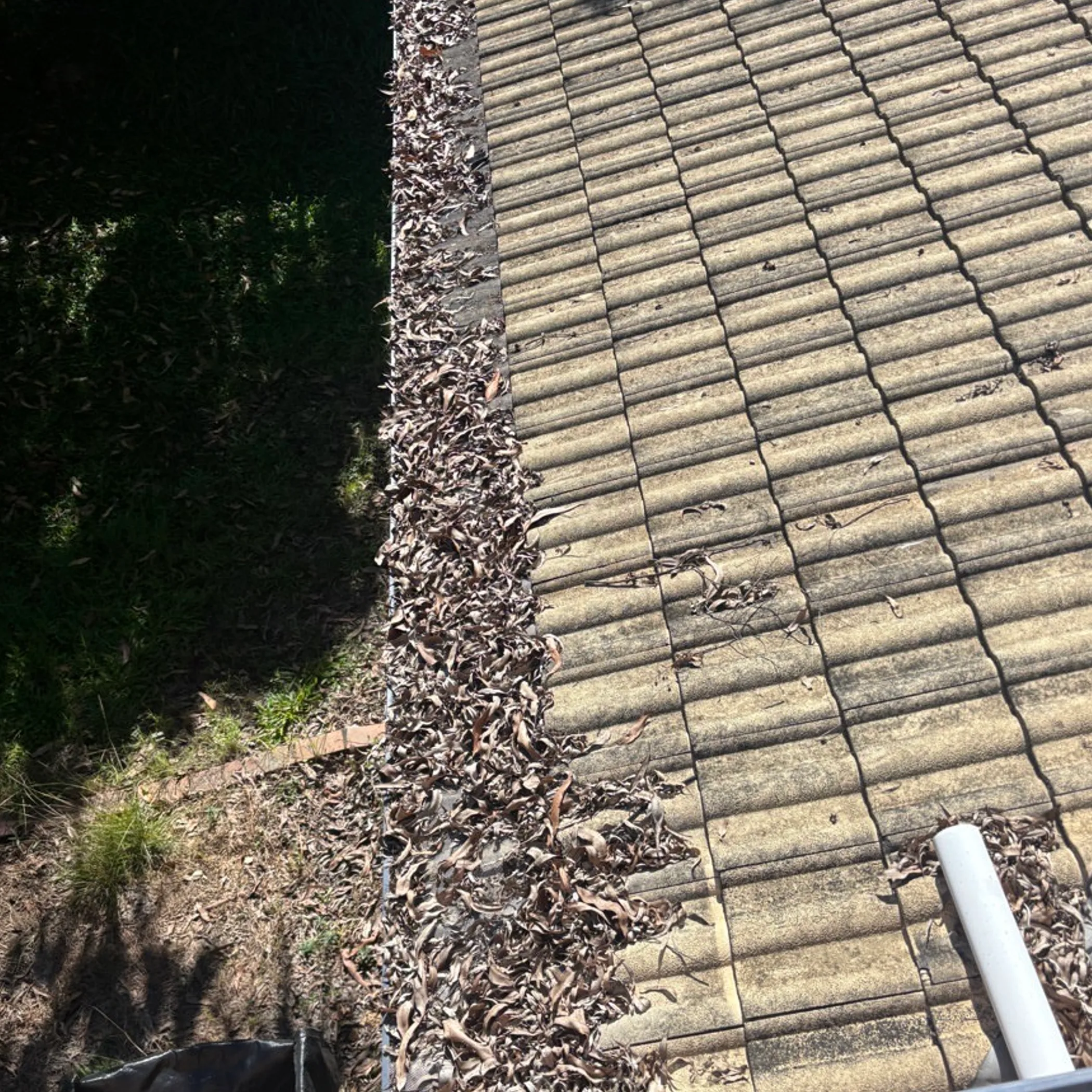
Your plan for the gutters should be flexible and based on what you can observe. See how fast the water runs after a rain and what is falling and when. What is required of a Brisbane home is not the same as a cottage in central Victoria under the deciduous trees or a dry bush block.
Do your inspections in a safe manner, note the pattern and alter your schedule for cleaning ahead of any change in the weather. It is a small amount of organisation but it spares you the Saturday morning let down of a ceiling stain when you are otherwise settled with a cuppa, along with blocked downpipes and the like.
