One could not ask for a more straightforward set of rules for the beach or the trail in Tropical Queensland: be mindful of the weather and wildlife, pack more water than seems necessary, heed local warnings and confine your swimming to patrolled waters. The region may be liberal with its coastline, rainforest and sun but it will not offer you a second chance if you are careless about the tides or heat.
I am Beatrice Hollowbrook. My years on Australian bush and coastal tracks have taught me that a good plan, however unexciting, is where the best adventures are made. Do some homework first: put in a few minutes with the Queensland Parks and Wildlife Service to see what is closed and get the lay of the land from the forecast and patrol reports. It is a small effort that can spare you an ill-timed run in with a croc or a long, hot trudge to nowhere. This is the essence of outdoor travel planning.
Weather, Warnings And Local Conditions
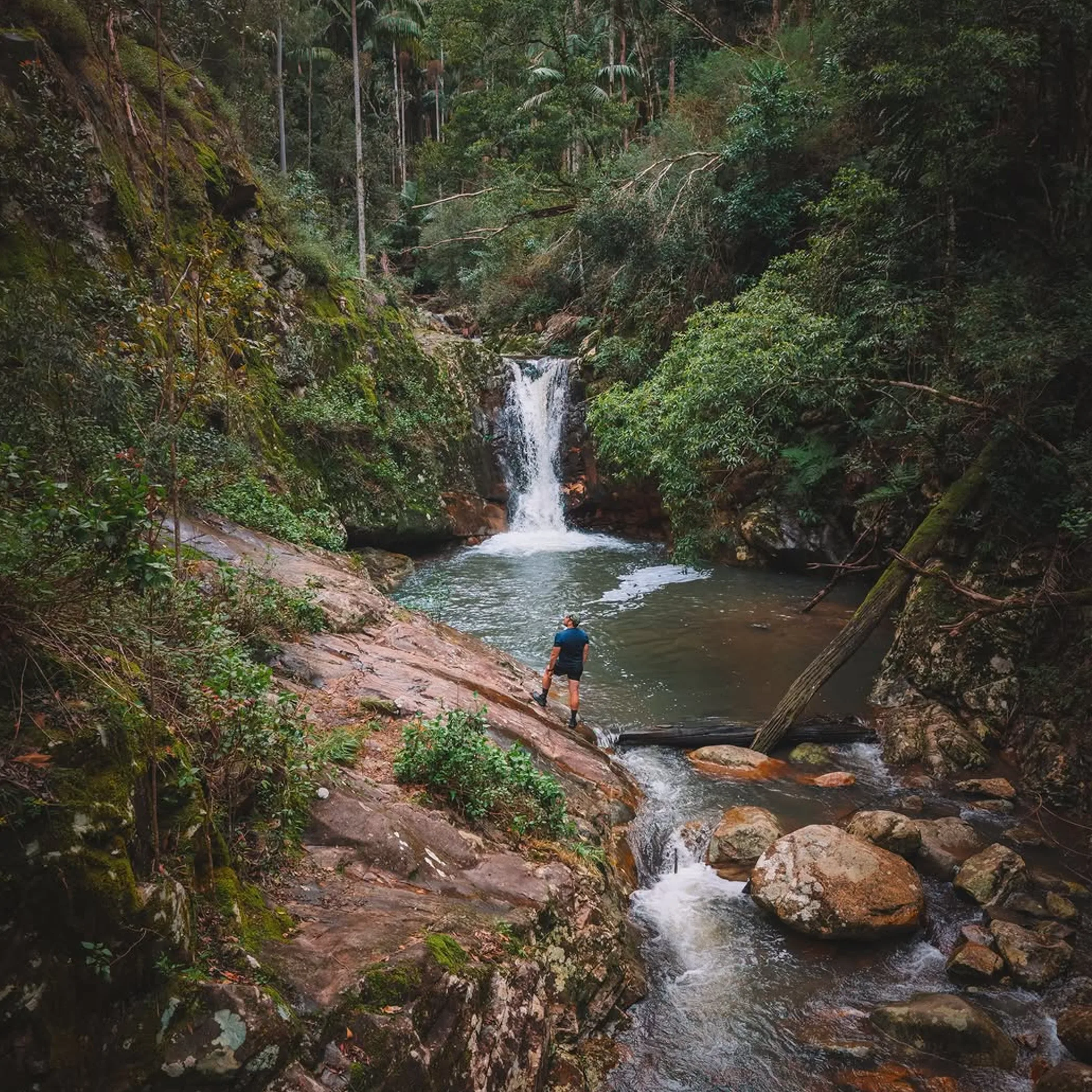
In Far North Queensland, the Cassowary Coast and Cairns one does not have to wait long for the weather to turn. A storm has a way of making rock platforms treacherously wet and creeks run high in no time at all, and rain will reduce a solid track to a slippery state.
Before you leave, consult the Bureau of Meteorology for the area in question and the park alerts from the Queensland Parks and Wildlife Service. You will find information on fire danger, access and other hazards there that a travel guide would not tell you.
Seasonal Planning
When the wet season is upon us there is heavy rain and the odd cyclone warning to contend with, not to mention the mud and downed branches. An easy route on paper becomes something else entirely once it has been rained on and some boat services and roads will be shut.
The dry is preferable for a walk but do not let the cooler morning fool you into thinking a long hike without a plan is safe. Humidity and the sun are still factors; in the north any UV Index of 3 or more calls for sensible protection.
A Route Check
Make sure someone knows how you intend to get back and when. Put the trailhead, park name and emergency point on your phone for offline use since reception has a habit of vanishing as quickly as a sausage roll at morning tea.
See if a permit or national park pass is required. If you are going to Dunk Island make certain of the last boat’s departure time. There are no shortcuts to the logistics of being left behind and it is hardly a pleasant way to spend the day.
Good Hiking Habits
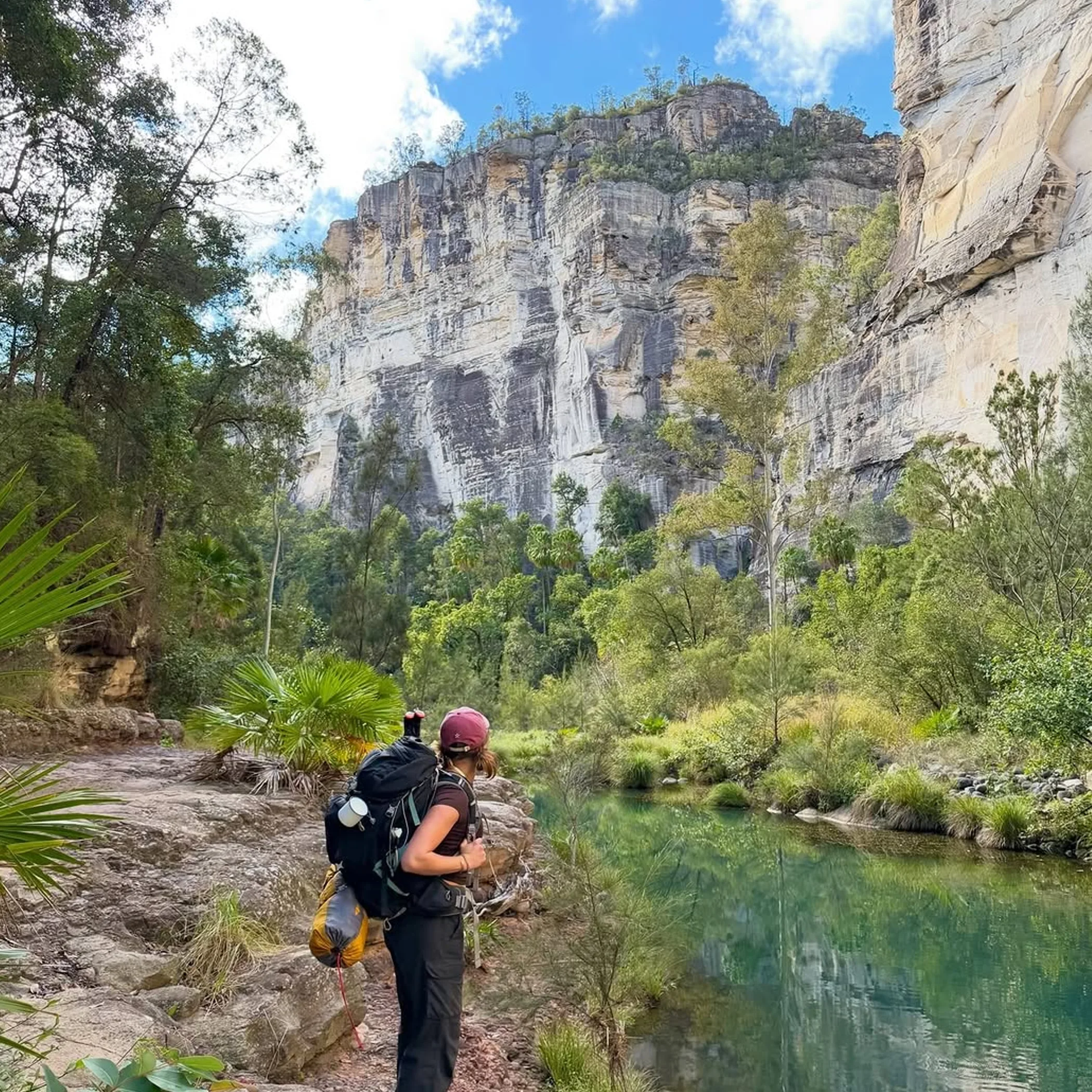
It is not so much a matter of being athletic as picking a route suited to the conditions in Queensland. Factor in some extra time for the humidity, a rest, a photo or negotiating a creek. Get an early start and stick to the marked path. When signs say to stay out of a closed track, take them at their word. Your confidence at the car park means nothing to the rainforest.
Selecting A Track
Have a read over the surface, the distance and what the return looks like. A coastal walk might be short but the rock and stairs can be hard under an exposed sun; a rainforest track will be cool and in the shade but also very humid and slick.
| Situation | What Can Catch You Out | Safer Choice |
|---|---|---|
| Wet-season in the rainforest | Mud, rising creeks and the odd branch coming down | Stick to a formed track of a reasonable length and shun crossings post-rain |
| Coastal headland | Glare, wind and open edges | Go early, have water and don’t go near the barriers |
| Remote island | Transport is infrequent and reception poor | Take some emergency provisions and be sure of the return boat |
| Rock-platforms | Algae, surging water and the tide | Keep well away from the waterline and check the tides first |
Creek Crossings
Do not be lulled into a false sense of security because the person in front has made it across. The flow can be deceptively strong and muddy water will conceal a hole or loose stone. If you cannot see the bottom or the water is fast and up to your knees, make a U turn. And do not attempt to put a car through floodwater; they are not amphibious, no matter what the fellow in the four-wheel drive would have you think.
Heat And Humidity
These can wear you down before you put two and two together. Should you feel confused, dizzy or uncoordinated, or have a headache and nausea, it is time to put a stop to things, cool off and get some assistance. For the return as well as the outward leg of your trip, make sure you have sufficient water. Put on a hat and some sunscreen and do not be without your regular breaks in the shade. When you are limited to a day, it is better to put in some time on a shorter, well signposted track where access is at hand than to force yourself onto a remote route with an unyielding schedule.
Wildlife Safety

In Far North Queensland one has to allow wildlife their space and heed any warning signs as just that, not as part of the view. A saltwater crocodile or snake, for instance, or stinging insects and mosquitoes are elements of the environment, not something to get up close and personal with for a photo.
The way to eschew most encounters is to remain on the formed track, put distance between yourself and the water and make certain your food is put away. There is no need to feed animals or leave scraps about the campsite, nor to putter through long grass in thongs; enclosed shoes are a wiser choice for all concerned.
Croc-Wise by the Water
Whether it is a lagoon, tidal flat, creek or a coastal waterhole that seems benign, the rules for saltwater crocodile safety hold. You should not be standing at the edge to wash up or take a paddle unless the local authorities have made it plain the area is safe for such things.
Put a few metres between you and the bank, in particular at bends and muddy edges or near boat ramps. Have the children in tow and dogs on a lead, and do not be at the waterline after dark or at first light. The fact that you cannot spot a crocodile or that a hole is much frequented is no guarantee of safety.
Preventing Bites and Stings
A small bottle of insect repellent is hardly a luxury when mosquitoes are as tenacious as they are in the wetlands and shaded creeks. Apply it and don long sleeves at dusk and dawn. After a walk in thick vegetation, have a look over your skin and clothes.
Be mindful of hands and feet; a snake will make a home by a rock or log on the side of the track. And do not go handling blue-ringed octopus, cone shells or any marine life you do not know. In the event of a bite or sting, keep the person still and 000 can be called for instructions from the emergency operator.
Queensland Beaches
Safety on a Queensland beach means picking one that is patrolled and swimming in the red and yellow flags. No amount of holiday selfie will give you the insight a lifeguard has into the sandbars and how the currents are running.
In the case of Cairns, check if the beach is for swimming. Some foreshores in the vicinity have mudflats, tides, boat traffic or other hazards and being next to the city does not make it a place to swim.
Flags and Signs
Lifeguards are in charge of the zone demarcated by the red and yellow flags so you would do well to follow their directions. A red flag is to be heeded and there may be other notices regarding unstable rocks, strong currents or a temporary closure. In the absence of flags or a lifeguard, find somewhere else to be. This goes for anyone who is not used to the Australian surf, even those who are strong swimmers, as a rip current will get them.
Dealing with a Rip
They present as a calm channel amid the breakers but a rip can put you some distance from shore in short order. To run back against it is to invite panic and wear you out. Float and make yourself known. Should you be able to, put the current behind you by swimming along the beach before making for land. If you see another in difficulty, let a lifeguard know instead of putting yourself in the water on a whim.
Stingers and Other Hazards
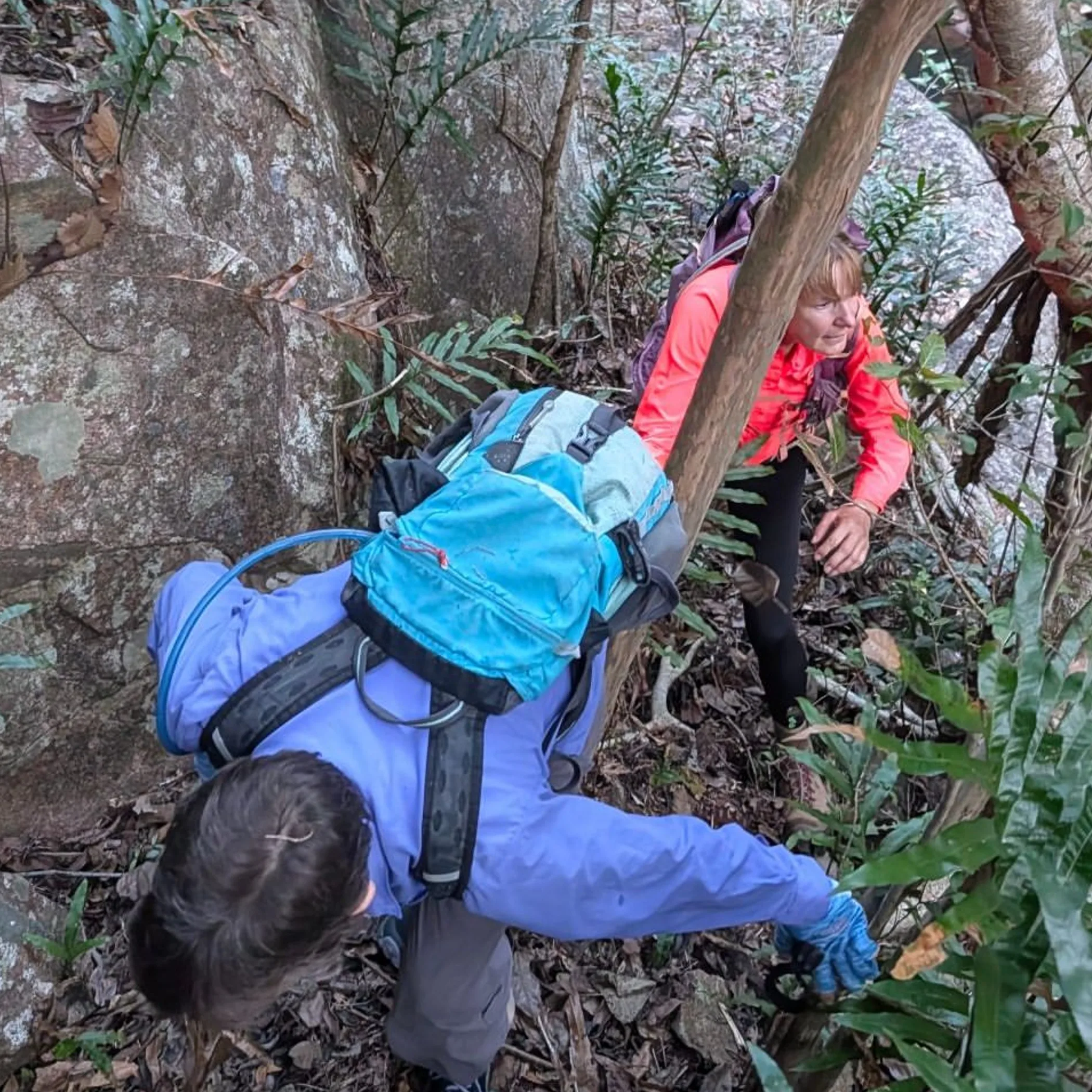
Tropical waters in Queensland can harbour box jellyfish and Irukandji, especially in stinger season. Risks are dependent on the weather, tides and the like. Heed the signs and put on a stinger suit if you are told to. A net will lower the risk but is not a force field; obey what you are told even if the water is as flat as a pancake.
Rock Pools
When the tide changes or the waves come in, rock pools and platforms are no longer to be trifled with. One minute a surface is dry enough to stand on, the next a wave can put you down. Algae is treacherously slippery. Do not have your back to the sea or put yourself under a cliff of questionable stability. Should things turn for the worse, be off with it rather than dally for a photograph.
One-Day Option
A day in Mission Beach or on the Cassowary Coast is best spent at a patrolled swimming spot and on a short, well signposted walk. Make sure to factor in time for parking, to change and put in a meal, for the odd weather delay and to be back before it gets dark.
Then there are excursions to Dunk Island and the like. Those are for the traveller with transport sorted and water in hand who is amenable to the timetable dictating the day. Not so much for one who has an aversion to boats, finds the heat trying or is not at ease on uneven ground with little in the way of facilities.
Pack For A Safer Day Out
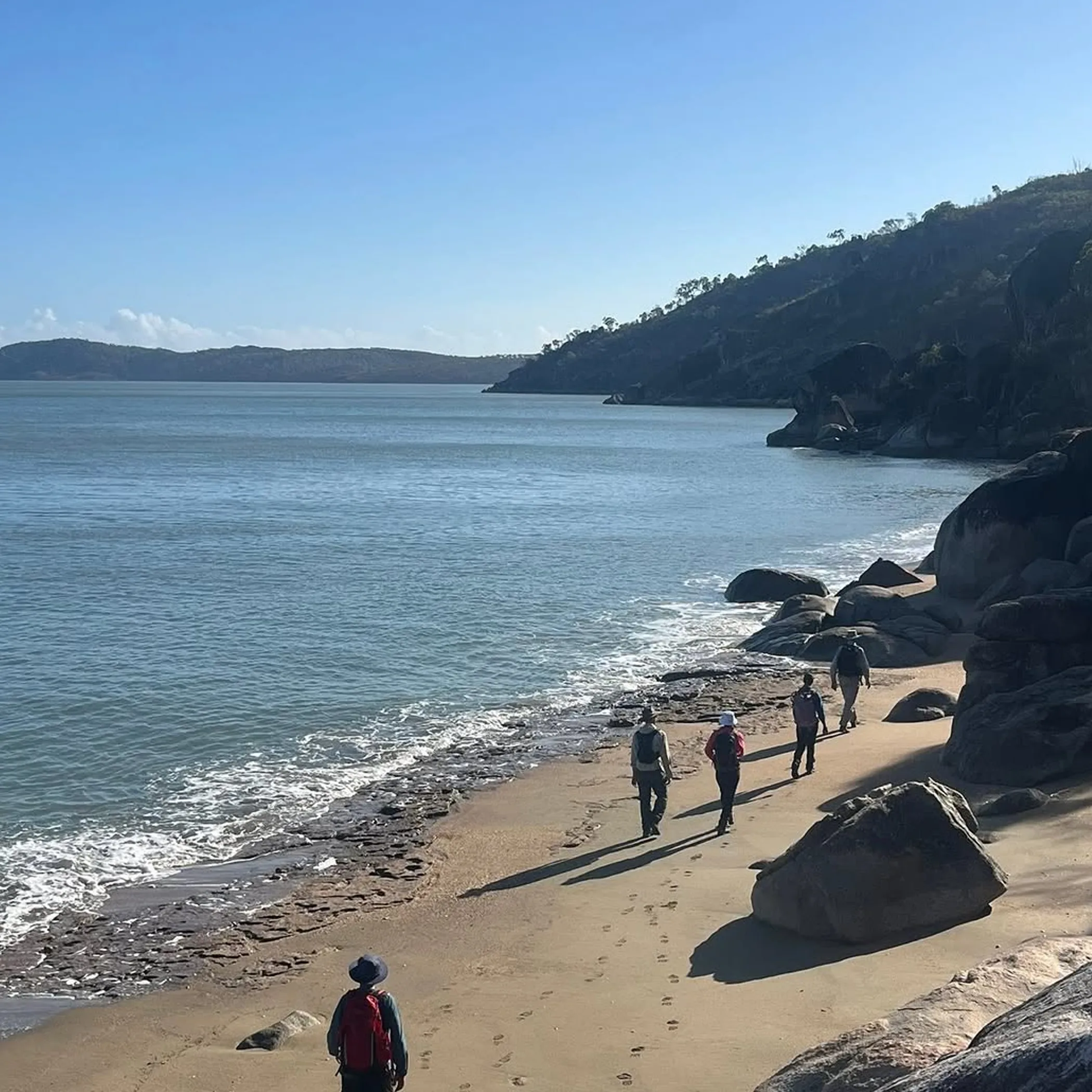
You do not need costly gear, a sensible pack will see you through. The idea is to deal with the heat, a scrape, no reception or a wet trail without your outing devolving into some kind of bush-survival documentary. I made the mistake on a humid walk of underestimating what a shaded track would do to my reserves; had enough water but not for the protracted return. An embarrassing lesson in planning for the conditions as they are, not as you would like them to be.
- Water to last the journey back and extra hydration.
- Hat, sunglasses, sunscreen and something light for protection.
- Enclosed footwear with a good grip.
- Insect repellent and your own medication.
- Phone with power bank, offline map and emergency numbers.
- First-aid supplies, torch, whistle and waterproof clothing.
- Food in case the weather or transport holds you up.
Use This Quick Checklist
Confirm the route and any park alerts from your accommodation, as well as the tides, beach patrol and transport times. Put fuel in the vehicle and make sure the tyres are in order and you can get out of there if need be. Let someone know where you are off to and when you will be back.
As for costs, they will depend on where you are. Budget for parking, a ferry, food and perhaps an accommodation change should the weather put a stop to a track. Old blog posts are not a reliable source for pricing, go with what the operator or authority has to say.
Frequently Asked Questions About Queensland Safety
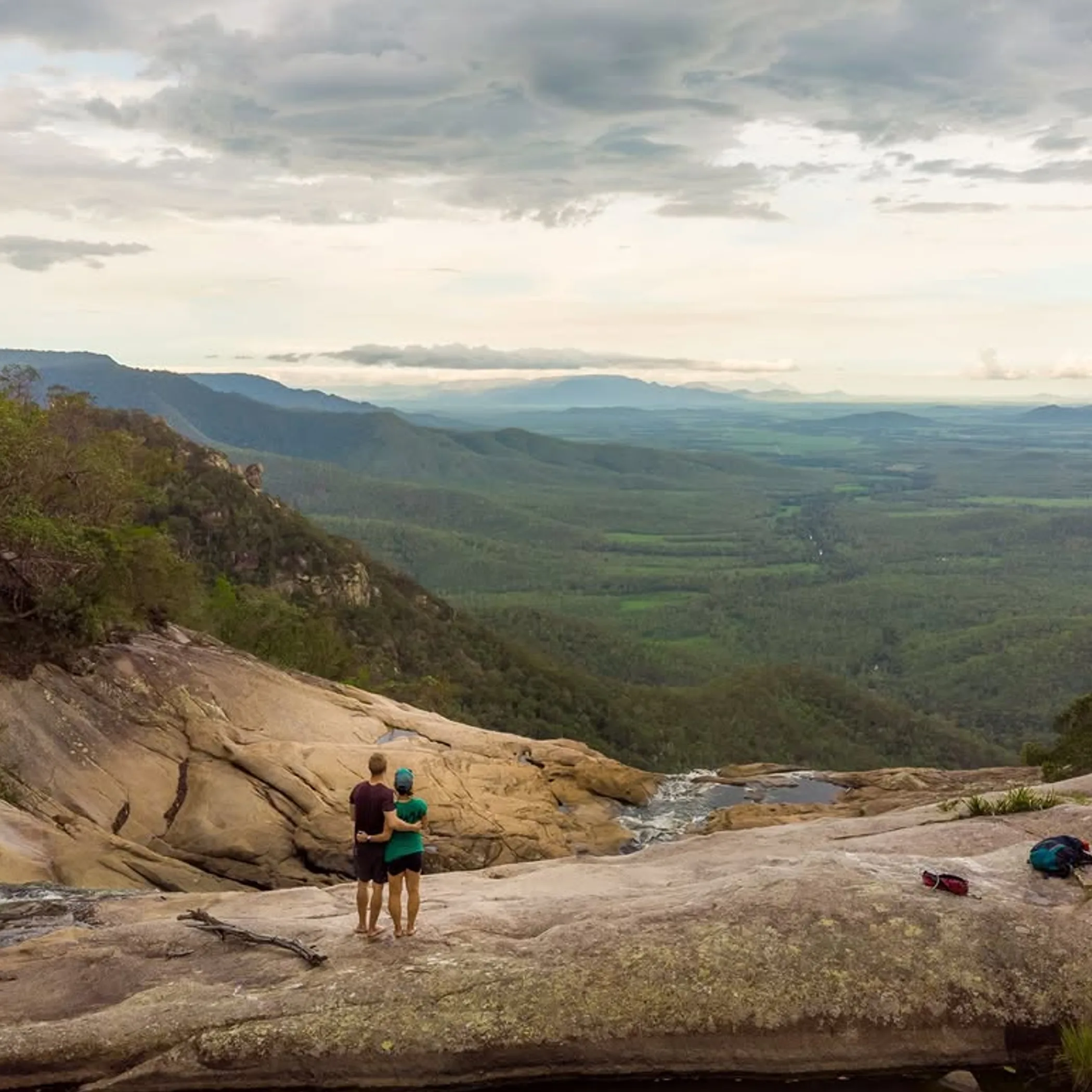
We get these questions because they are where travellers tend to be caught out. Practicality is the answer: local warnings are to be heeded over general assumptions and reputation means little compared to the conditions.
Cairns: What to be careful of?
The heat and humidity, a wet track, a storm coming on, rips, stingers, mosquitoes and crocodile country beyond the designated areas. Do not put yourself in an unknown waterway or head down a remote track with no plan and no water. Heed the signs.
Is there a safest beach in Australia?
Not one that is safe for all. You will be safer at a patrolled beach with its red and yellow flags, lifeguards and clear signage and where the water is calm. But check on the day, conditions are not static.
Can you swim in Australian waters?
In many places you can, provided you are in a patrolled area and know the local hazards. There are rips, waves, stingers, currents, rocks and wildlife to contend with. It is a decision based on the conditions, not a given.
Where is the safest part of Australia?
It varies by activity and preparation, the weather and how remote you are. In Tropical Queensland one should stick to managed spots and QPWS advice and be aware of beach warnings.
Tropical trails: is a guide necessary?
For the uninitiated on a technical or hard to follow route in the wet, yes. A guide will not do the job of checking official alerts but his knowledge of tides and creek crossings and the like is useful.
Make A Plan And Stick To It
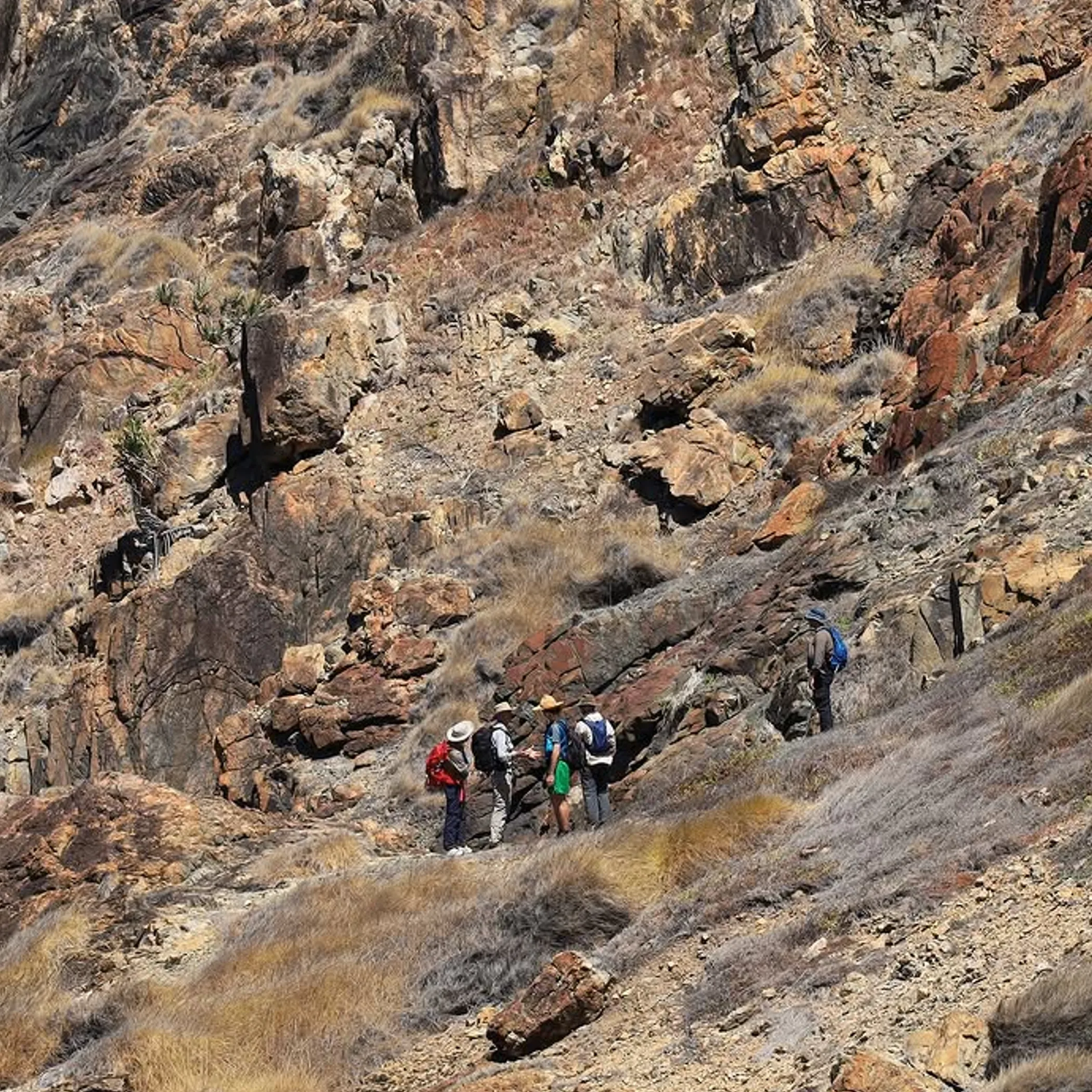
An adventure in tropical Queensland should have you sun-warmed and weary but safely home. Be croc-wise, swim between the flags and if the weather or the track start to call the shots, turn back early.
Proper planning does not take the spontaneity out of it. It is to ensure the problems are the ones you can avoid, leaving you with the energy for what is truly worth remembering in Cairns, on the Cassowary Coast and at places like Dunk Island.
